Abdominoplasty
Overview
In the pursuit of aesthetic harmony and body confidence, abdominoplasty, commonly known as a tummy tuck, stands as a transformative surgical procedure. This cosmetic intervention targets the abdomen, addressing excess skin, fat, and muscle laxity to sculpt a firmer, more contoured midsection. Let’s delve into the world of abdominoplasty, uncovering its nuances, benefits, and the latest research insights.

Understanding Abdominoplasty
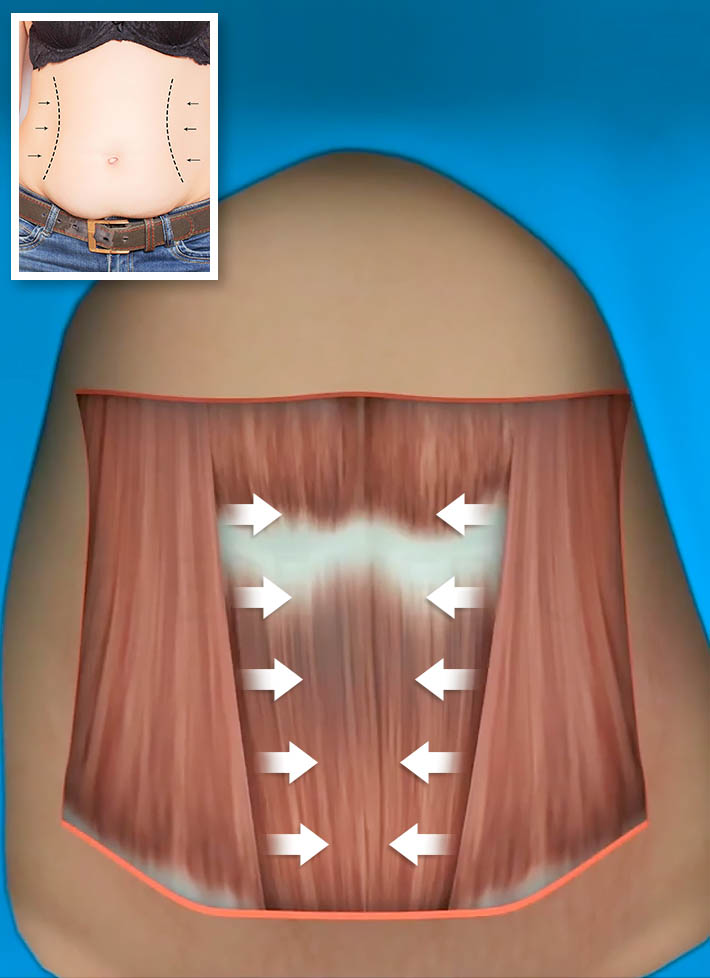
Abdominoplasty is a surgical procedure designed to reshape and tighten the abdominal area by removing excess skin and fat and repairing weakened or separated abdominal muscles. It is often sought by individuals who have experienced significant weight loss, pregnancy, or aging, which can lead to loose skin, stretch marks, and a protruding abdomen.
Types of Abdominoplasty
There are several variations of abdominoplasty, each tailored to address specific concerns and patient needs:
1. Traditional Abdominoplasty: This procedure involves making a horizontal incision between the hip bones, through which excess skin and fat are removed, and the underlying abdominal muscles are tightened.
2. Mini Abdominoplasty: A less extensive procedure suitable for individuals with mild to moderate skin laxity below the navel, involving a smaller incision and focusing on the lower abdomen.
3. Extended Abdominoplasty: This technique addresses excess skin and fat not only in the abdomen but also extends to the flanks and lower back, providing more comprehensive contouring.
4. Circumferential Abdominoplasty: Also known as a body lift, this procedure targets excess skin and fat around the entire circumference of the torso, ideal for individuals who have undergone significant weight loss.
Efficacy and Patient Satisfaction
Research into the outcomes of abdominoplasty consistently demonstrates high levels of patient satisfaction and improved body image following surgery. A systematic review published in Plastic and Reconstructive Surgery found that abdominoplasty led to significant improvements in both aesthetic outcomes and quality of life measures, with the majority of patients reporting enhanced self-esteem and body confidence.
Furthermore, studies have shown that abdominoplasty can have psychological benefits beyond the physical transformation, contributing to improved mental well-being and overall satisfaction with appearance. Research published in the Aesthetic Surgery Journal reported positive changes in body image perception and psychosocial functioning among patients undergoing abdominoplasty, highlighting the profound impact of cosmetic surgery on self-perception and emotional health.
Safety Considerations and Recovery
As with any surgical procedure, abdominoplasty carries inherent risks and potential complications, including infection, bleeding, and adverse reactions to anesthesia. However, advancements in surgical techniques and postoperative care protocols have significantly reduced the incidence of complications, making abdominoplasty a safe and reliable option for eligible candidates.
Recovery following abdominoplasty typically involves a period of rest and gradual return to normal activities. Patients are advised to follow their surgeon’s postoperative instructions diligently, including wearing compression garments, avoiding strenuous activities, and attending follow-up appointments to monitor healing progress.
Related MedXplain Videos
How can ERemedium help?
As World’s largest health literacy platform for Doctors, ERemedium impacts 30 million patients monthly across 10,000+ health centers in 7+ countries. We collaborate with 15,000+ doctors to simplify complex healthcare through high-impact 3D animation.
- MedXplain: A cloud-based library for doctors featuring 5,000+ 3D animations across 26+ specialties. Enhance consultations and digital pharma marketing with copyrighted clinical content. Also, available Apps for Apple (iPad, iPhone, Mac) and Android devices
- Medio: Transform your OPD waiting area into an educational hub. Stream 3D patient education on nutrition and condition-specific care to improve satisfaction.
- MedComm: Interactive, gesture-driven touch signage. Use 3D anatomical models and 3D animations to explain procedures and treatments in an immersive, personalized environment.
Elevate your medical communication. Explore our solutions today.