How Gastro Videos Help Patients Understand Digestive Health Better
How Gastro Videos Help Patients Understand Digestive Health Better
Digestive symptoms are common, but many patients still do not understand what acid reflux, ulcers, liver disease, colon issues, or endoscopy findings really mean. Gastroenterology videos turn confusing digestive health information into clear patient education that is easier to understand and easier to act on.
From stomach anatomy and digestive disorders to endoscopic procedures and treatment pathways, gastroenterology videos help patients visualise what is happening inside the body. This education-first approach improves health awareness, supports better questions, and encourages more clicks from patients looking for trustworthy digestive care information.
Why digestive health education matters
Digestive complaints are often self-diagnosed, ignored, or misunderstood for too long. Patients may search randomly for answers about bloating, reflux, constipation, ulcers, abdominal pain, liver issues, or endoscopy because they do not yet understand how these problems relate to digestive health overall.
ERemedium explains that poor-quality internet information can mislead patients, while high-quality gastroenterology videos help doctors explain digestive diseases, treatments, and procedures clearly. That makes patient education more accurate, more standardised, and easier to absorb.
For click-oriented healthcare content, education is powerful because it attracts attention before the consultation begins. When patients learn something useful, they are more likely to continue reading, click deeper into treatment pages, and take the next step toward specialist care.
How gastroenterology videos improve patient understanding
1. They explain digestive anatomy clearly
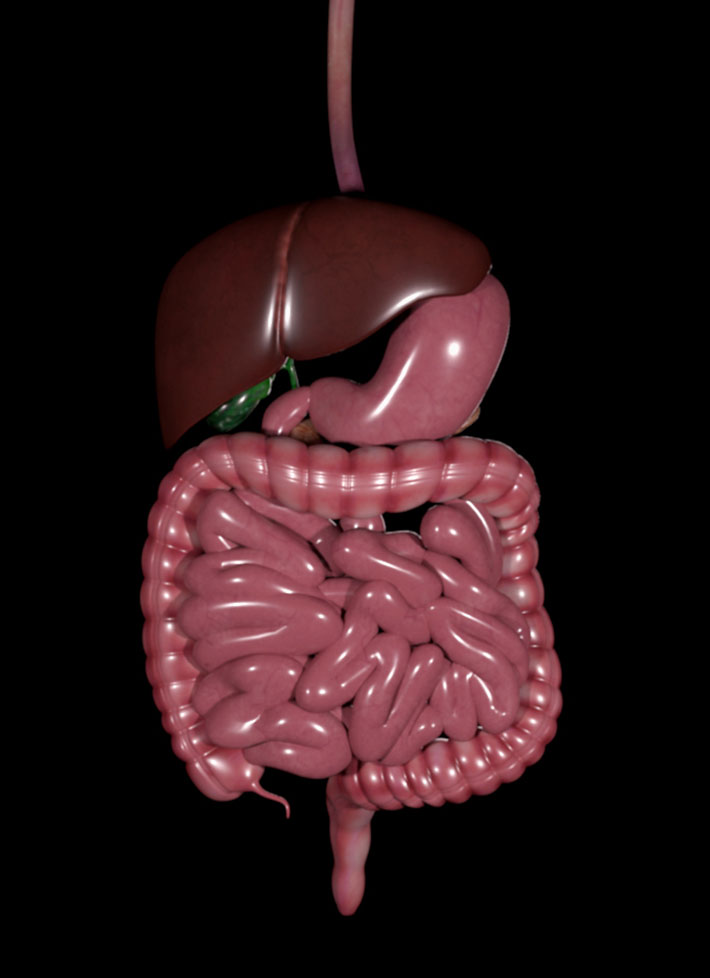
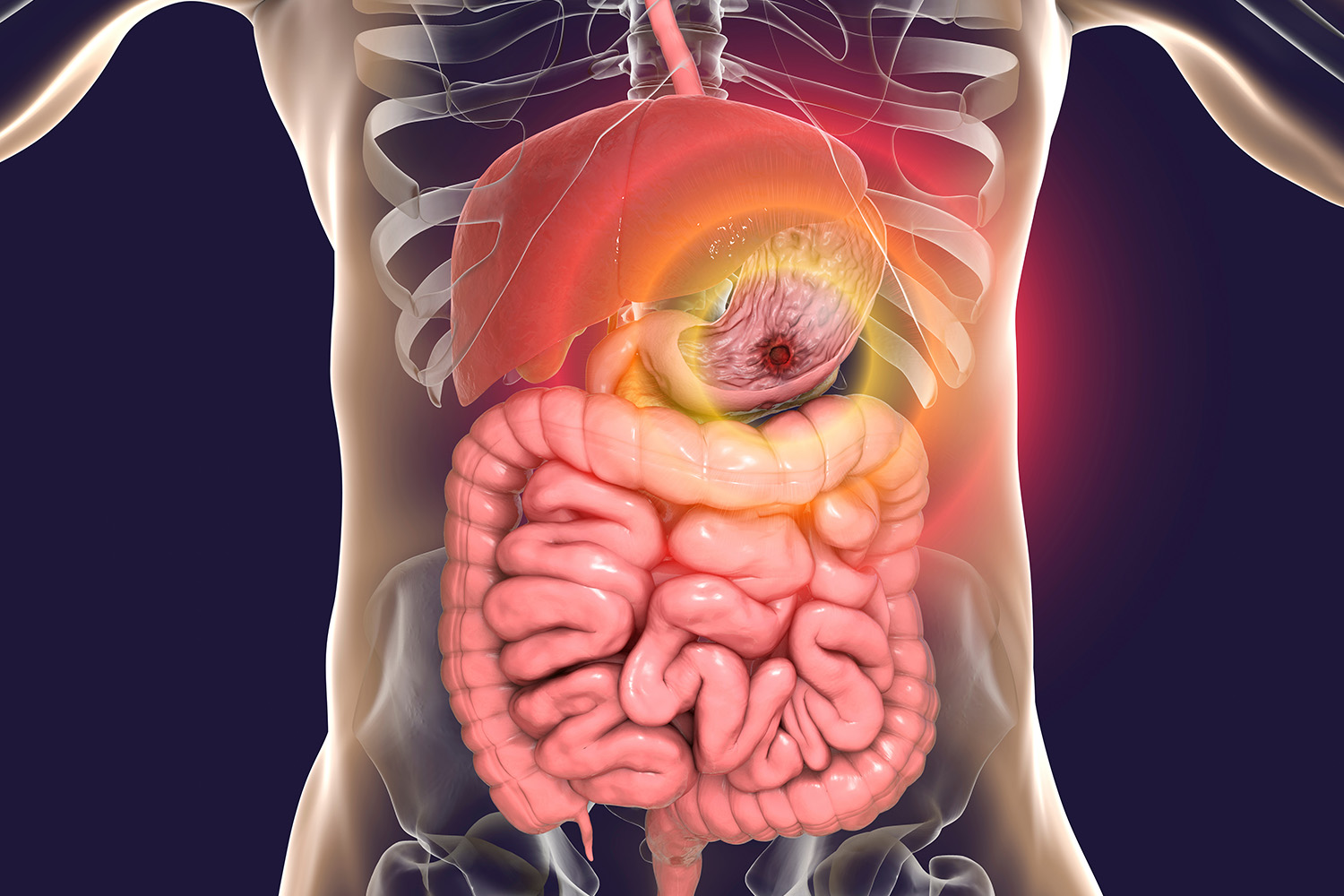
Many people do not know how the esophagus, stomach, liver, pancreas, intestines, gallbladder, and colon work together. Gastroenterology videos make the digestive system easier to visualise and easier to remember.
2. They simplify common digestive disorders
GERD, peptic ulcers, hepatitis, colitis, colon polyps, hemorrhoids, and other digestive conditions can sound technical or frightening. Videos break them down into understandable visuals, causes, symptoms, and treatment logic.
3. They make endoscopy less intimidating
Patients often fear procedures they do not understand. Educational gastro videos can explain endoscopy, colonoscopy, and related investigations step by step so the procedure feels more familiar and less stressful.
4. They improve waiting-room learning
Clinic and waiting-area video content can educate patients before they even enter the consultation room. That means more informed patients, better questions, and more productive doctor-patient conversations.
5. They support treatment compliance
When patients understand why a medicine, procedure, or diet change matters, they are more likely to follow the plan. Educational videos help reinforce the reasoning behind long-term digestive care.
6. They keep patients exploring related care topics
Well-structured educational content encourages patients to click from symptoms to diagnosis, from diagnosis to treatment, and from treatment to follow-up care. That makes gastroenterology videos valuable for both awareness and on-site engagement.
What patients want to understand better
- What digestive symptoms may signal a more serious condition.
- How the stomach, liver, intestines, and colon are involved.
- What a gastroenterologist may recommend and why.
- How procedures like endoscopy help diagnose digestive problems.
- What treatment, lifestyle, and follow-up steps may be needed.
Gastroenterology videos answer these questions in a format that feels more approachable than long medical text. For educational content designed to attract clicks, that clarity is what keeps people engaged.
How ERemedium supports gastro patient education
ERemedium offers gastroenterology videos, endoscopic education content, and broader medical video library tools that help doctors explain digestive health more clearly. Its platforms support use across mobile screens, consultation settings, and waiting-area displays so patients can learn in multiple touchpoints.
For clinics and hospitals, this means stronger patient education, better on-site engagement, and more opportunities to move patients from curiosity to deeper exploration. Educational gastroenterology videos do not just explain digestive health better — they also create a stronger path to clicks, attention, and follow-up action.
Explore Gastroenterology Videos on MedXplain