How Neurosurgery Videos Help Simplify Complex Brain Procedures
How Neurosurgery Videos Help Simplify Complex Brain Procedures
Brain surgery is one of the most intimidating phrases a patient can hear. Most people have no mental picture of what actually happens inside the skull, which is why clear neurosurgery videos can transform how they understand and experience their care.
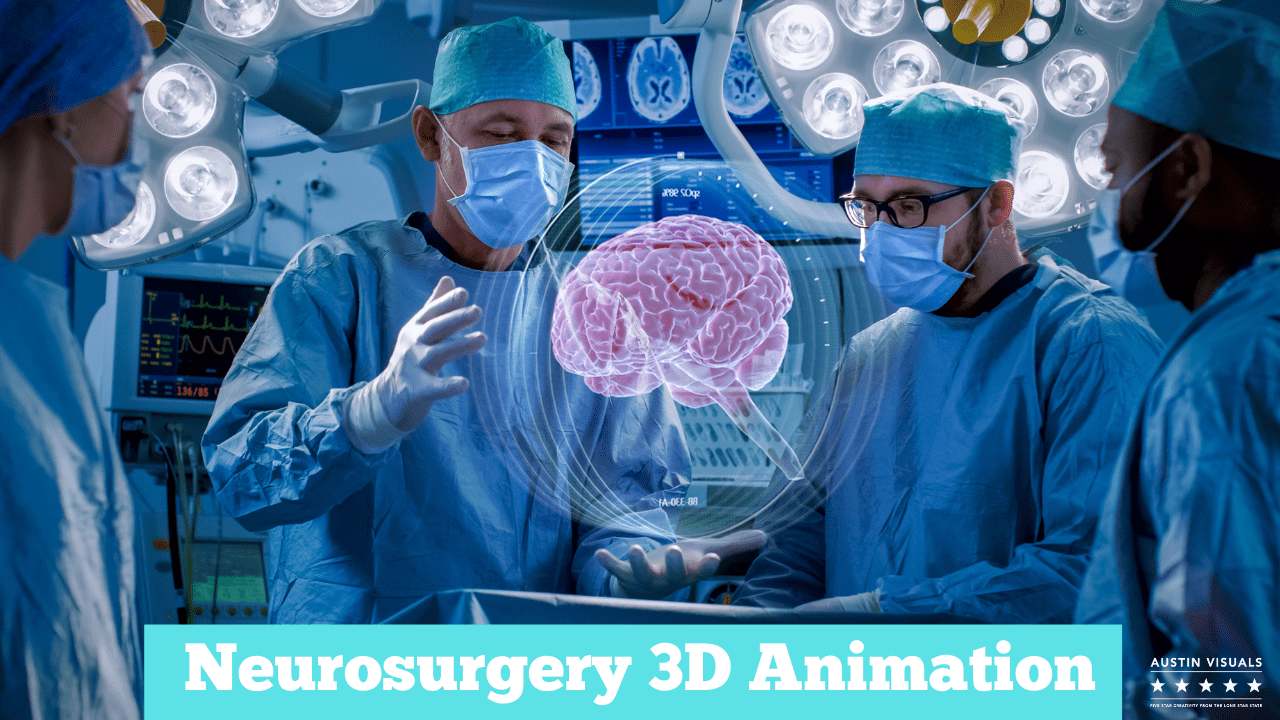
Neurosurgery videos turn a confusing, high‑stakes conversation into a guided story. They show where the problem lies, how the surgeon plans to reach it, and what the operation is trying to change — in plain language, with visuals patients can replay and share.
- Reduce fear by replacing imagination with simple, accurate visuals.
- Help families grasp why a specific brain or spine procedure is needed.
- Support better questions, better decisions, and better recall after the visit.
Why brain procedures are hard to understand
A typical neurosurgery consultation compresses new anatomy, unfamiliar risks, imaging findings, and major treatment decisions into a short appointment. Even when surgeons explain carefully, patients often leave with only fragments of what was said — which increases anxiety and makes each follow‑up more challenging.
Studies of neurosurgical operative videos and surgical education show that step‑based visual walkthroughs improve comprehension and recall compared with text‑only explanations. When the same approach is adapted for patients, neurosurgery videos can make advanced procedures feel more structured and less overwhelming.
How neurosurgery videos simplify complex brain procedures
1. Showing where the problem is
Neurosurgery videos can zoom into the affected part of the brain or spine and show how it relates to symptoms like seizures, weakness, or headaches. Instead of imagining a tumor, aneurysm, or compressed nerve, patients see a clear, scaled animation of what their doctor is talking about.
This visual grounding makes every later explanation — about risk, recovery, or follow‑up — feel more concrete, because patients can link each point back to an image instead of a guess.
2. Breaking the operation into simple steps
Rather than a long, dense description, neurosurgery videos present brain procedures as a sequence: how the surgeon will access the area, what they will do once they arrive, and how they will safely close. Each step uses consistent colours, labels, and motion to guide attention.
For patients, this structure reduces cognitive load. They follow one stage at a time and understand how each step moves them closer to the planned outcome, whether that is removing pressure, resolving bleeding, or taking out a lesion.
3. Making risks and benefits more concrete
When risks and benefits are explained only in words, they can feel abstract or distant. High‑quality neurosurgery videos show what may happen if a condition is left untreated and how surgery is expected to change the situation — without using graphic operative footage that might distress patients.
Balanced, non‑graphic 3D animations are especially useful for explaining delicate areas like brainstem lesions, aneurysm clipping, or minimally invasive spine procedures in a calm, reassuring way.
4. Supporting shared decision‑making
Videos can be paused, replayed, and watched with family members. This turns a single, high‑pressure consultation into an ongoing, shared conversation where everyone can review the same visual explanation at their own pace.
For neurosurgeons, this means less time repeating basic anatomy and more time focusing on the patient’s values, expectations, and long‑term goals.
What patients want to know before brain surgery
Patients and caregivers who click on neurosurgery videos are usually trying to answer a small set of high‑stakes questions. A good video script is built around these.
- What exactly is wrong? — where the problem sits in the brain or spine, and how it relates to their symptoms.
- What will the surgeon actually do? — the key steps of the operation, shown simply from start to finish.
- What if I do nothing? — realistic expectations if treatment is delayed or not pursued.
- What will life look like after surgery? — hospital stay, early recovery, and long‑term outlook.
Neurosurgery videos give these questions a visual structure, so patients can focus on their feelings and priorities instead of trying to reconstruct complex explanations from memory.
How ERemedium’s neurosurgery videos help your practice
ERemedium’s medical video library is designed to provide high‑quality neurosurgery and neurology animations that explain anatomy, diseased states, minimally invasive techniques, and open procedures in a concise, patient‑friendly way. Videos stream from high‑performance servers for smooth playback in clinics and hospitals.
Combined with written material and clinician support, these neurosurgery videos help patients remember instructions, weigh treatment options, and understand what to expect from surgery — from pre‑operative planning to recovery. They also save time during consultations by handling the most difficult visual explanations consistently, so every clinician does not have to redraw complex anatomy from scratch.
Next step: Embed neurosurgery videos in your waiting areas, consultation rooms, and patient portals so people can watch them before and after their appointments, improving awareness, satisfaction, and confidence in their care.