Metacarpal Fracture
Overview
A metacarpal fracture is a break in one of the five long bones of the hand that connect the wrist to the fingers. These bones, known as metacarpals, are crucial for the dexterity and functionality of the hand, making a fracture a significant injury that can impact daily activities.
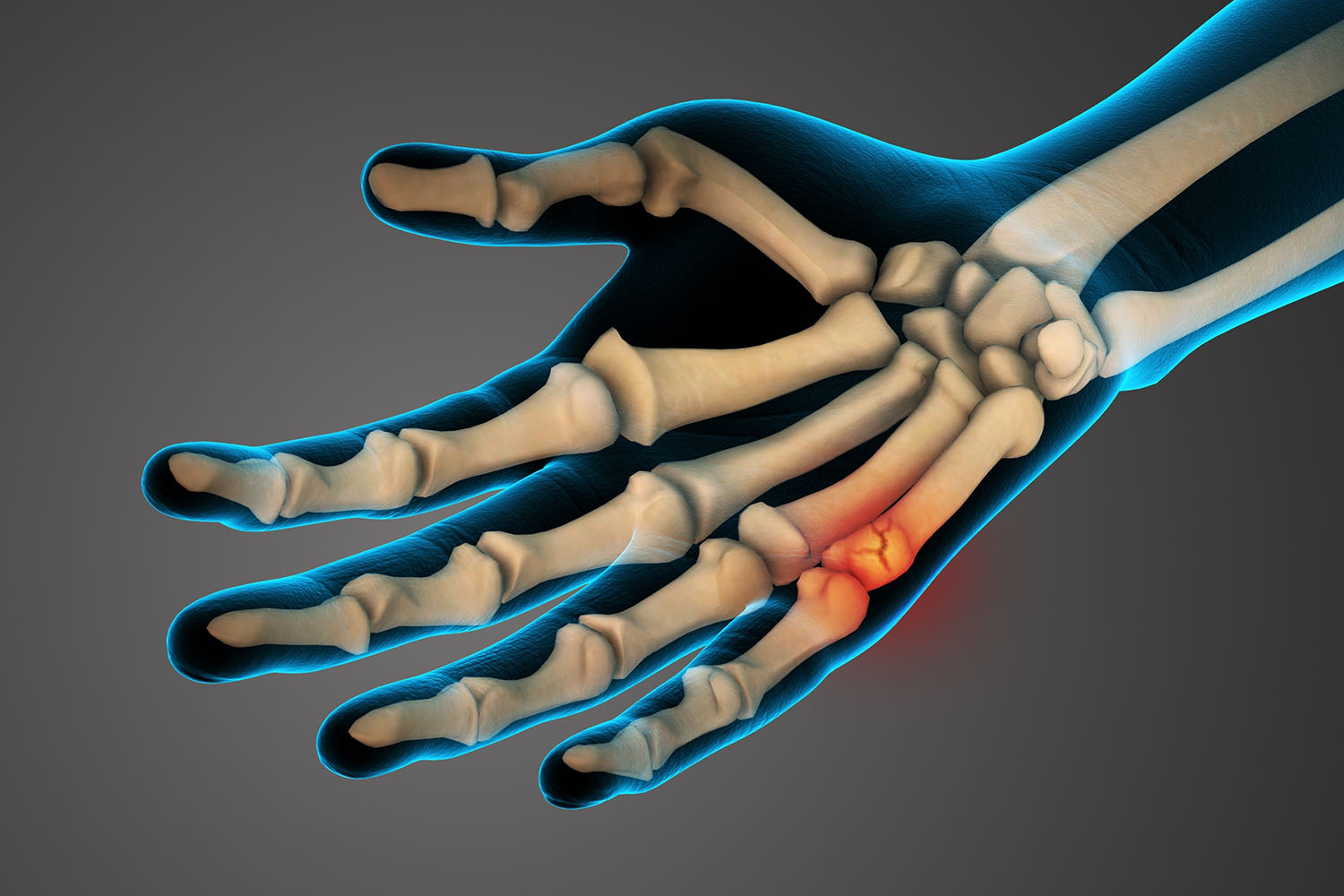
Causes of Metacarpal Fracture
Metacarpal fractures are commonly caused by:
- Trauma or Injury: Direct blows to the hand, such as during sports activities or accidents, can lead to fractures.
- Falls: Falling onto an outstretched hand is a frequent cause, especially in older adults.
- Twisting Injuries: Sudden, forceful twisting of the hand can result in a fracture.
- Crushing Injuries: Heavy objects falling on the hand or getting the hand caught in machinery can cause severe fractures.
Symptoms of Metacarpal Fracture
The symptoms of a metacarpal fracture can vary depending on the severity of the break, but they typically include:
- Pain: Intense pain at the site of the fracture, which may worsen with movement.
- Swelling: Swelling around the injured area, which can extend to the fingers and wrist.
- Bruising: Discoloration around the fracture site.
- Deformity: Visible deformity or abnormal positioning of the hand or finger.
- Difficulty Moving: Limited ability to move the fingers or hand.
Diagnosis of Metacarpal Fracture
To diagnose a metacarpal fracture, a healthcare professional will conduct a physical examination and may order imaging tests, such as X-rays, to confirm the fracture and determine its location and severity. In some cases, additional imaging, such as a CT scan or MRI, may be necessary to assess complex fractures.
Treatment Options for Metacarpal Fracture
The treatment of a metacarpal fracture depends on the type and severity of the fracture. Common treatment options include:
Non-Surgical Treatment
- Immobilization: Splints or casts are used to immobilize the hand and allow the bone to heal. The duration of immobilization can vary but typically lasts several weeks.
- Pain Management: Pain relief can be achieved through medications such as acetaminophen or nonsteroidal anti-inflammatory drugs (NSAIDs).
- Physical Therapy: Once the bone has healed, physical therapy may be recommended to restore strength and range of motion.
Surgical Treatment
- Open Reduction and Internal Fixation (ORIF): This procedure involves surgically realigning the bone and securing it with screws, plates, or pins. ORIF is often necessary for displaced or unstable fractures.
- External Fixation: In severe cases, an external fixator may be used to stabilize the bone from outside the body.
Recovery and Rehabilitation
Recovery from a metacarpal fracture can take several weeks to months, depending on the severity of the fracture and the treatment method. Rehabilitation is a crucial part of the recovery process and may include:
- Hand Therapy: Specialized exercises to improve strength and flexibility.
- Occupational Therapy: Techniques to help patients regain the ability to perform daily activities.
Preventing Metacarpal Fracture
While accidents can happen, there are steps you can take to reduce the risk of a metacarpal fracture:
- Protective Gear: Wearing protective gloves and gear during high-risk activities, such as sports or manual labor.
- Safe Practices: Practicing safe techniques when lifting heavy objects or performing tasks that involve repetitive hand movements.
A metacarpal fracture is a common yet significant injury that requires appropriate diagnosis and treatment to ensure optimal recovery. Understanding the causes, symptoms, and treatment options can help individuals manage this injury effectively and return to their normal activities with minimal complications.
For more information on metacarpal fractures and hand health, consult a healthcare professional or visit reputable medical websites and journals.
Related MedXplain Videos
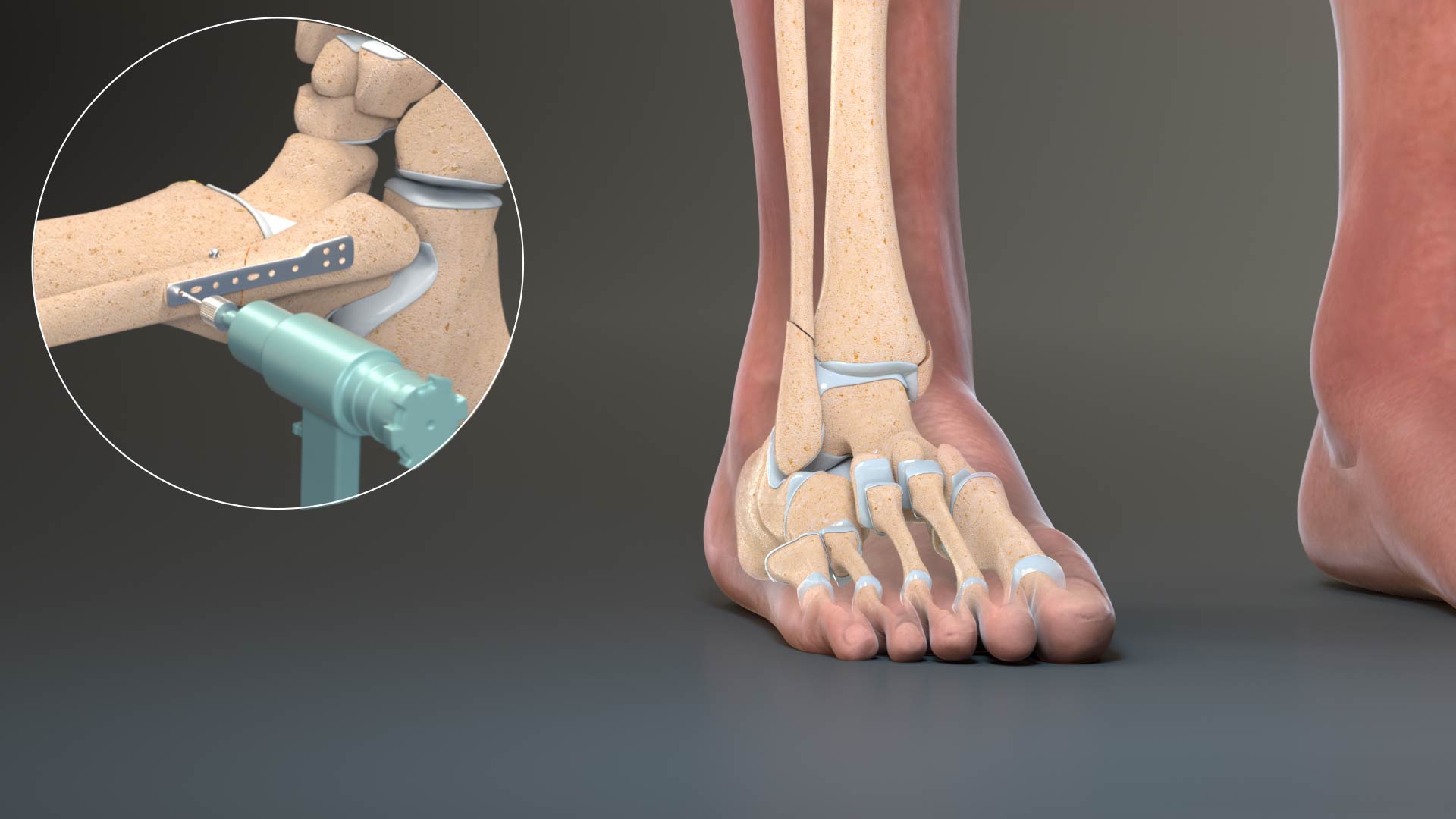
Bimalleolar Fracture Fixation
Patient education animated video describing the surgical or interventional procedure: Bimalleolar Fracture Fixation. Explains how the treatment is performed,…
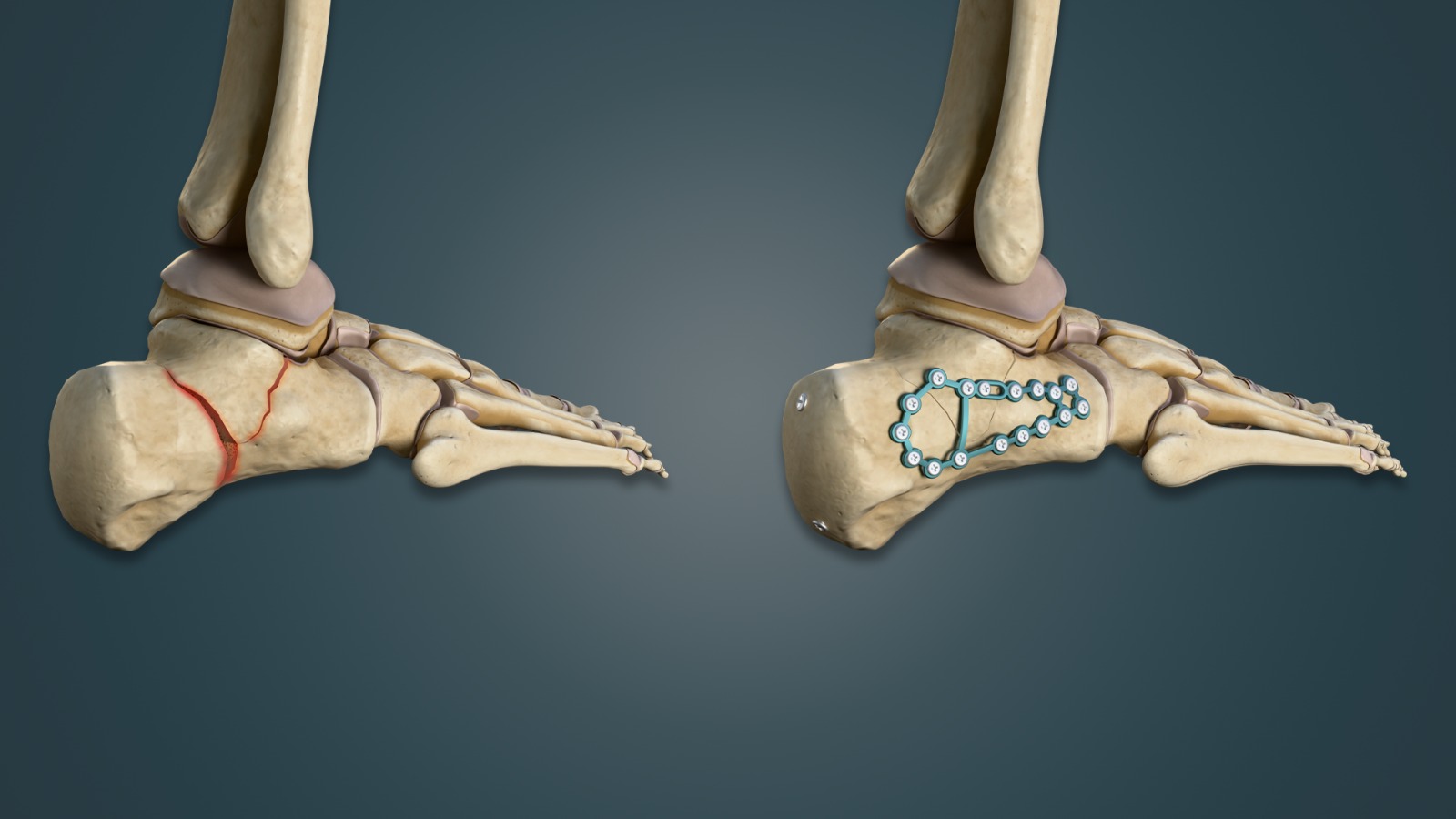
Calcaneum Fracture Fixation
Patient education animated video describing the surgical or interventional procedure: Calcaneum Fracture Fixation. Explains how the treatment is performed, k…
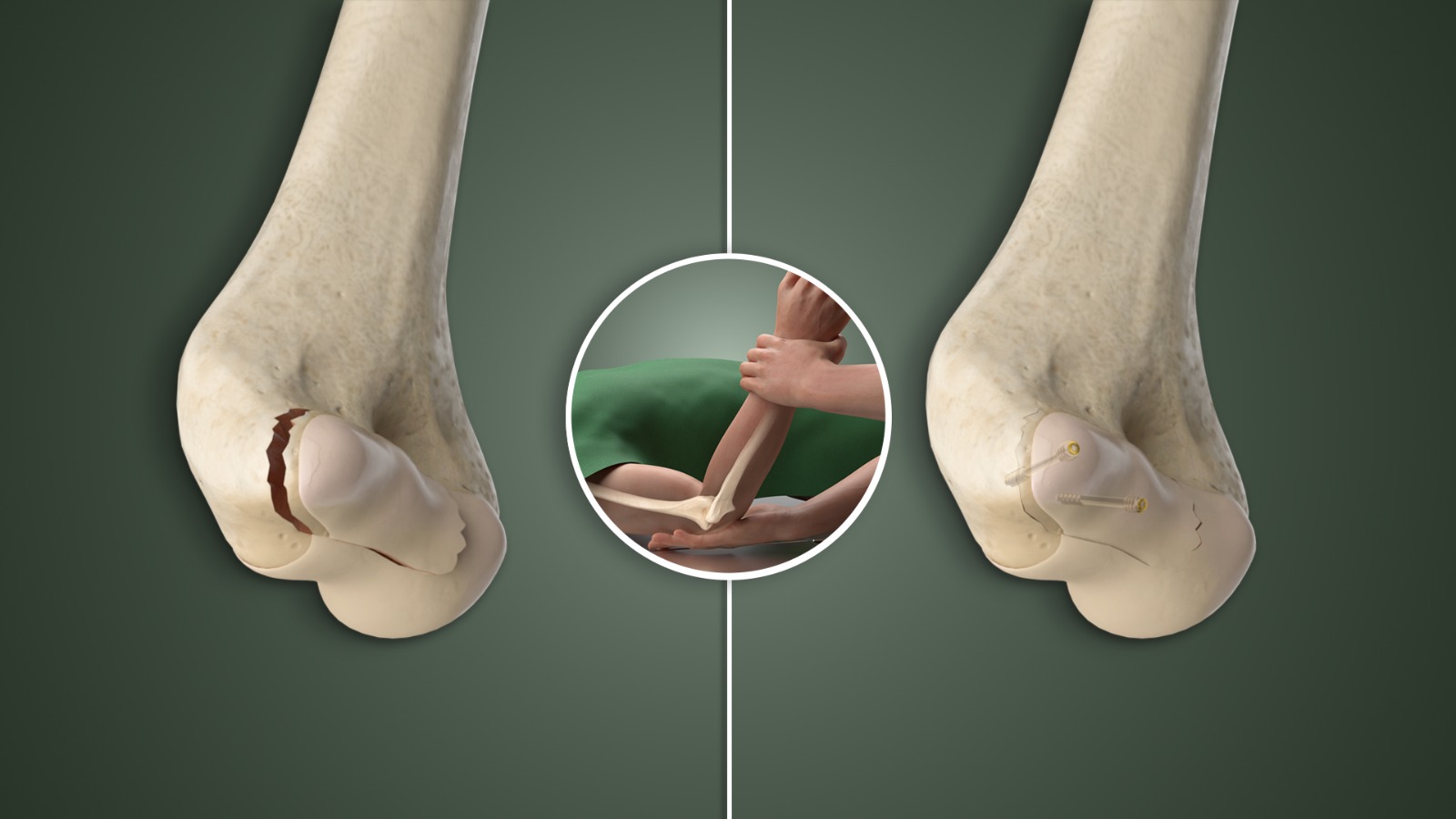
Capitellum Fracture
Medical education video about Capitellum Fracture, a condition within bones, joints, muscles, ligaments, and spinal disorders. Explains causes, symptoms, dia…
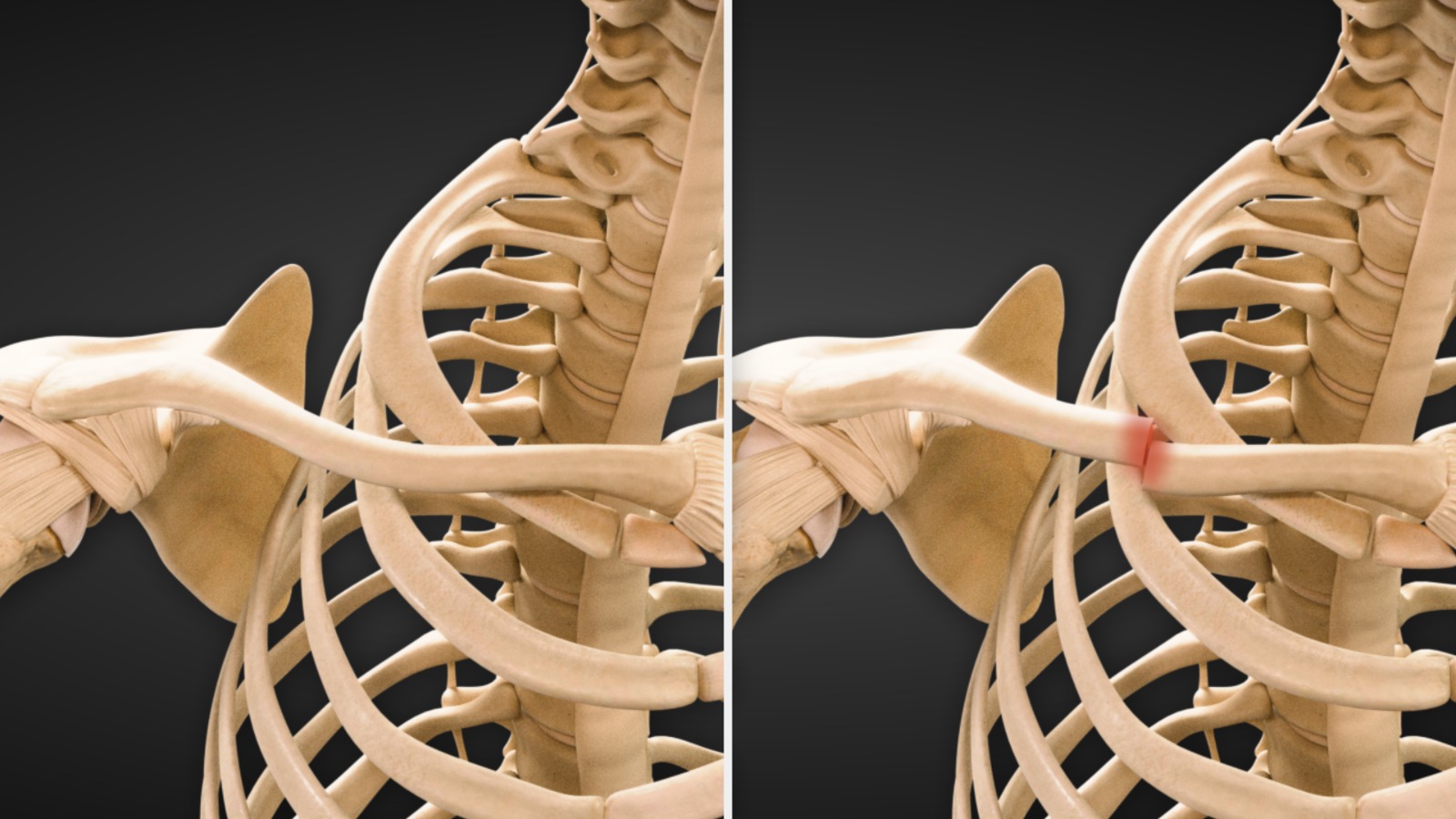
Clavicle Fracture (Broken Collarbone)
Medical education video about Clavicle Fracture (Broken Collarbone), a condition within bones, joints, muscles, ligaments, and spinal disorders. Explains cau…
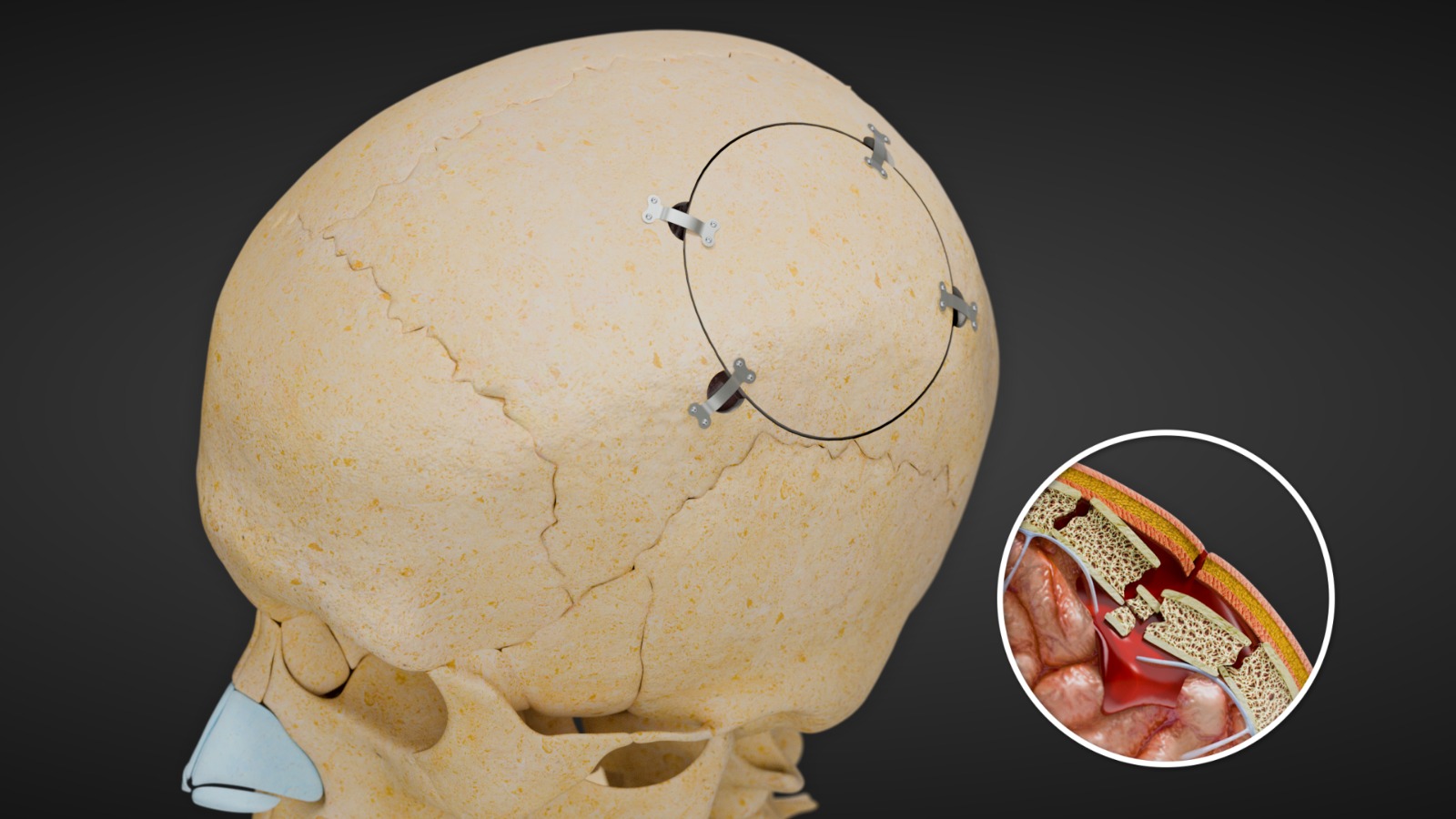
Depressed Skull Fracture
Medical education video about Depressed Skull Fracture, a condition within brain, nerves, and neurological conditions. Explains causes, symptoms, diagnosis,…
How can ERemedium help?
As World’s largest health literacy platform for Doctors, ERemedium impacts 30 million patients monthly across 10,000+ health centers in 7+ countries. We collaborate with 15,000+ doctors to simplify complex healthcare through high-impact 3D animation.
- MedXplain: A cloud-based library for doctors featuring 5,000+ 3D animations across 26+ specialties. Enhance consultations and digital pharma marketing with copyrighted clinical content. Also, available Apps for Apple (iPad, iPhone, Mac) and Android devices
- Medio: Transform your OPD waiting area into an educational hub. Stream 3D patient education on nutrition and condition-specific care to improve satisfaction.
- MedComm: Interactive, gesture-driven touch signage. Use 3D anatomical models and 3D animations to explain procedures and treatments in an immersive, personalized environment.
Elevate your medical communication. Explore our solutions today.