Palm Body Part
Overview
The palm is a central component of the human hand, playing a critical role in daily functions and complex tasks. Its unique anatomy and functionality make it an indispensable part of the human body. This blog delves into the structure, functions, and importance of the palm body part, drawing from facts and international research.
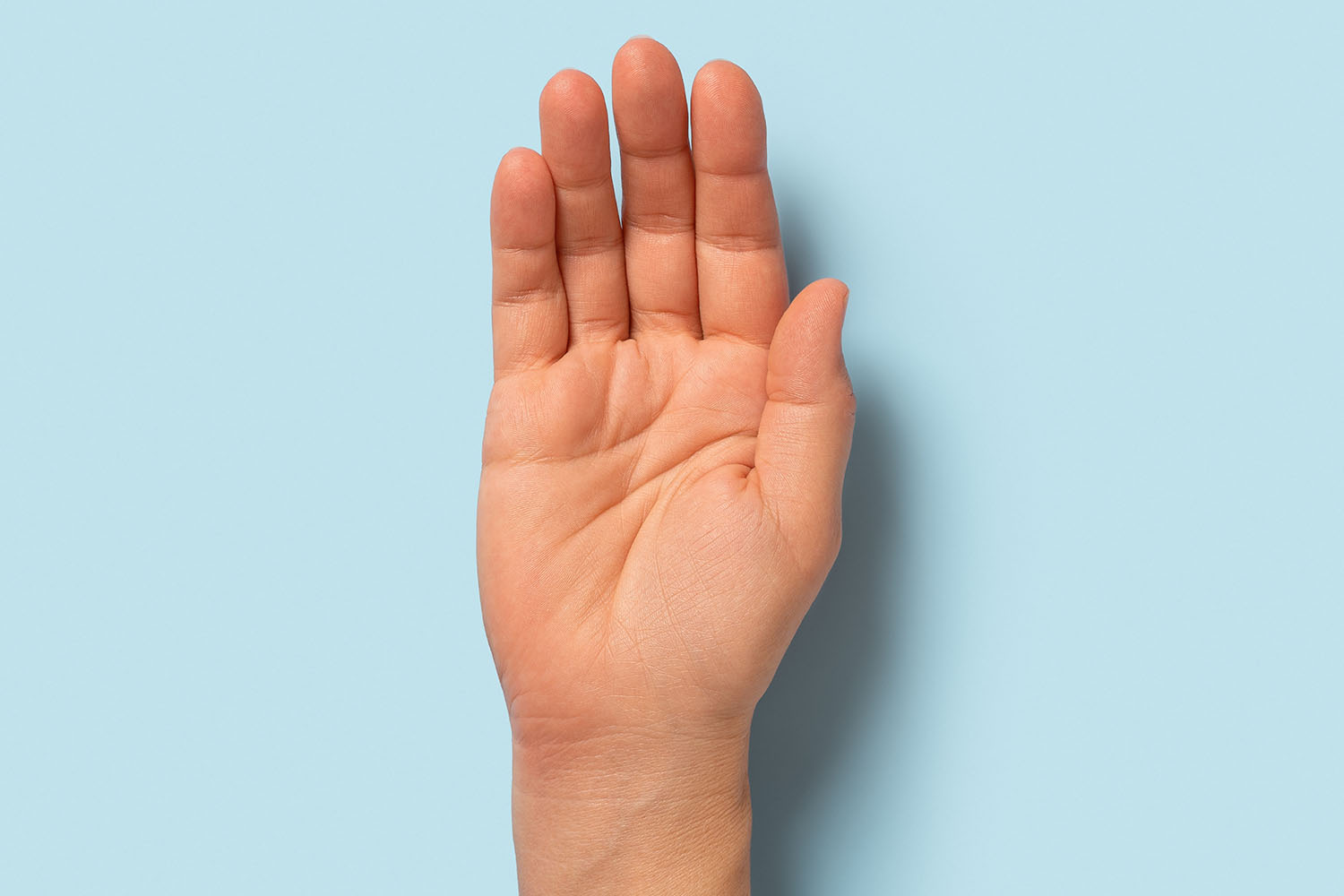
Anatomy of the Palm
The palm is the interior surface of the hand, extending from the wrist to the base of the fingers. It comprises several anatomical features:
- Bones: The palm contains five metacarpal bones that form the framework of the hand. These bones connect the wrist to the phalanges (finger bones).
- Muscles: The palm is home to various intrinsic muscles, including the thenar muscles (related to the thumb) and the hypothenar muscles (related to the little finger). These muscles facilitate fine motor skills and grip strength.
- Tendons and Ligaments: Tendons in the palm connect muscles to bones, enabling movement. Ligaments stabilize the joints, ensuring proper alignment and function.
- Nerves and Blood Vessels: The median and ulnar nerves innervate the palm, providing sensation and motor control. Blood vessels, including the superficial palmar arch, supply oxygenated blood to the palm and fingers.
Functions of the Palm
The palm body part is essential for various functions, including:
- Grip and Manipulation: The palm’s structure allows for powerful and precise grips. This capability is crucial for tasks ranging from holding objects to performing delicate manipulations.
- Sensation: The dense network of sensory receptors in the palm enables tactile perception, allowing humans to detect texture, temperature, and pressure.
- Protection: The skin on the palm is thicker and more resilient than other parts of the hand, providing protection against abrasions and injuries.
- Communication: Gestures involving the palm, such as waving or signaling, are vital for non-verbal communication.
International Research on the Palm
Studies on the palm body part have revealed fascinating insights into its anatomy and functions:
- Biomechanics: Research published in the Journal of Biomechanics highlights the intricate coordination of muscles and tendons in the palm, which allows for complex hand movements and dexterity .
- Neuroscience: A study in Nature Neuroscience explored the somatosensory cortex’s representation of the palm, demonstrating the brain’s high degree of sensitivity to stimuli from this area .
- Ergonomics: International ergonomic studies emphasize the importance of palm health in occupational settings. Proper hand positioning and tool design can prevent repetitive strain injuries and enhance productivity .
- Rehabilitation: Research in The Journal of Hand Therapy discusses rehabilitation techniques for palm injuries, such as targeted exercises and splinting, to restore function and reduce pain .
The palm body part is a remarkable structure that enables a wide range of human activities. Its intricate anatomy and multifaceted functions underscore its importance in everyday life. Understanding the palm’s role and maintaining its health through proper care and ergonomics can enhance overall hand function and quality of life. International research continues to shed light on this vital body part, contributing to advancements in medical treatments and ergonomic practices.
How can ERemedium help?
As World’s largest health literacy platform for Doctors, ERemedium impacts 30 million patients monthly across 10,000+ health centers in 7+ countries. We collaborate with 15,000+ doctors to simplify complex healthcare through high-impact 3D animation.
- MedXplain: A cloud-based library for doctors featuring 5,000+ 3D animations across 26+ specialties. Enhance consultations and digital pharma marketing with copyrighted clinical content. Also, available Apps for Apple (iPad, iPhone, Mac) and Android devices
- Medio: Transform your OPD waiting area into an educational hub. Stream 3D patient education on nutrition and condition-specific care to improve satisfaction.
- MedComm: Interactive, gesture-driven touch signage. Use 3D anatomical models and 3D animations to explain procedures and treatments in an immersive, personalized environment.
Elevate your medical communication. Explore our solutions today.