Prepare for Normal Delivery


Overview
In this ERemedium patient-education video, Dr. Ekta Singh explains how expecting women can prepare for a normal (vaginal) delivery. Preparation is not only about the day of labour. It includes regular antenatal care, safe movement, pelvic flexibility, balanced nutrition, and a calm, informed mindset. This page summarises those ideas and includes the full video so parents and clinicians can watch together.
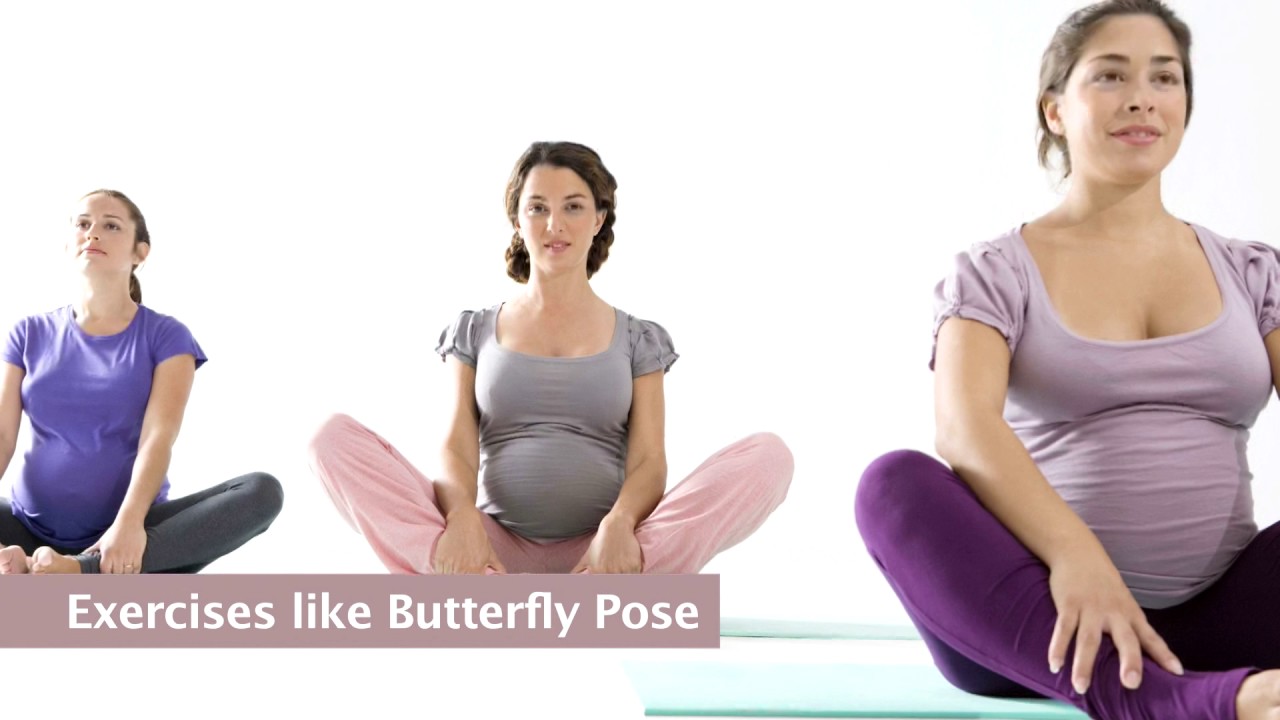
Watch: Prepare for Normal Delivery — Dr. Ekta Singh
Dr. Ekta Singh walks through practical steps that support a smoother vaginal birth, including exercises such as butterfly pose (baddha konasana). Watch the video below, then use the sections that follow as a recap for clinic counselling or home review.
Why preparation for normal delivery matters
A normal delivery is the birth of a baby through the birth canal, usually with fewer interventions and a quicker recovery than a caesarean section when it is clinically appropriate. The World Health Organization notes that most births worldwide are vaginal. Preparation does not guarantee a particular birth method — some pregnancies need a planned or emergency caesarean for safety — but it can improve stamina, pelvic mobility, confidence, and communication with the care team.
Stay in regular antenatal care
The first step in preparing for normal delivery is consistent prenatal follow-up. Antenatal visits help your doctor track blood pressure, baby growth, baby position, haemoglobin, and warning signs. Ultrasound and other checks confirm that mother and baby are progressing well enough for a trial of vaginal birth.
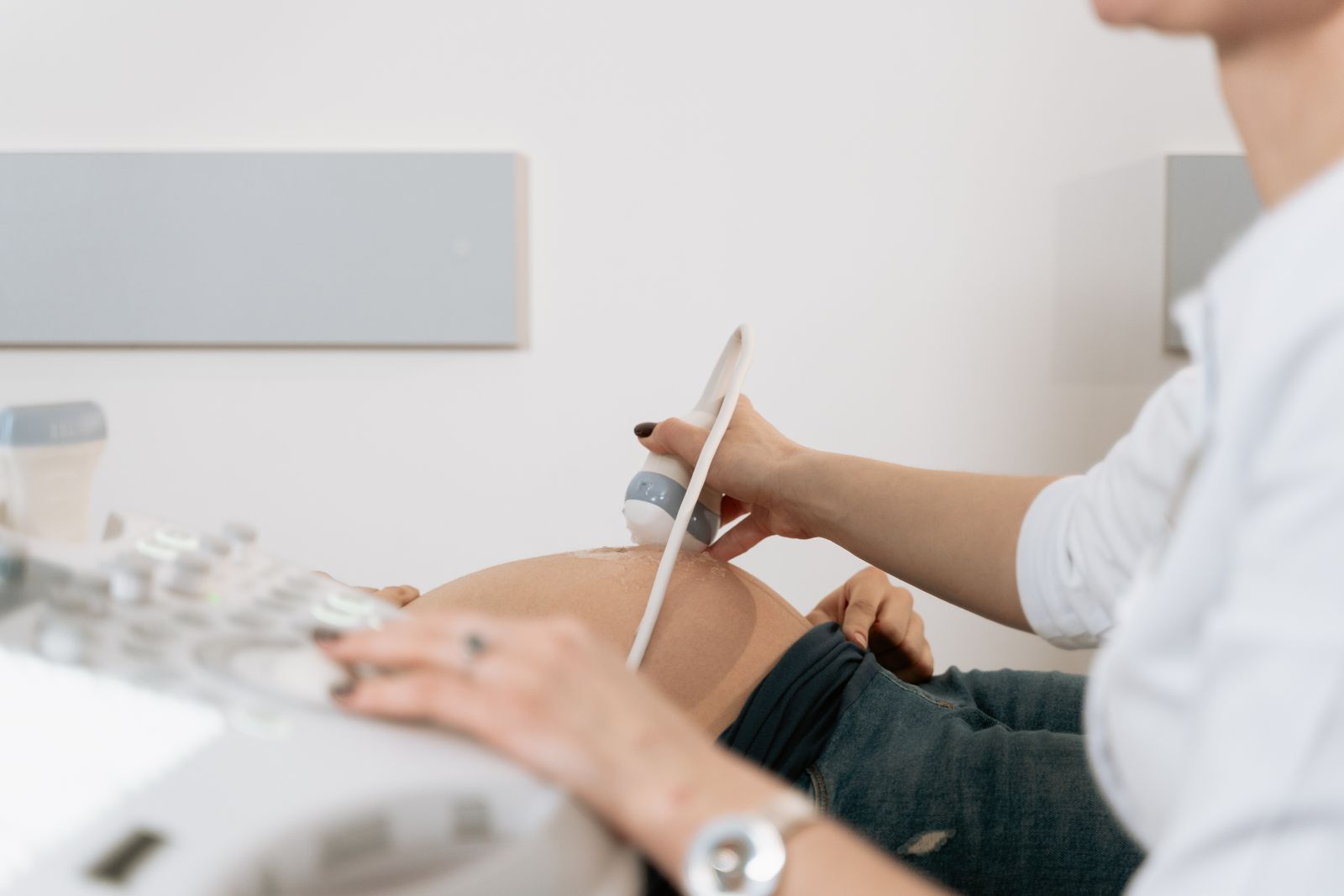
Use each visit to ask about exercise clearance, diet, iron supplementation, and whether any condition (such as placenta previa, breech presentation, or uncontrolled hypertension) would change the birth plan. Do not start a new workout routine in pregnancy until your obstetrician says it is safe.
Exercises that support a normal delivery
In the video, Dr. Ekta Singh highlights prenatal movement, including butterfly pose. Gentle, doctor-approved activity can keep the pelvis mobile, improve circulation, and reduce stiffness as the baby grows.
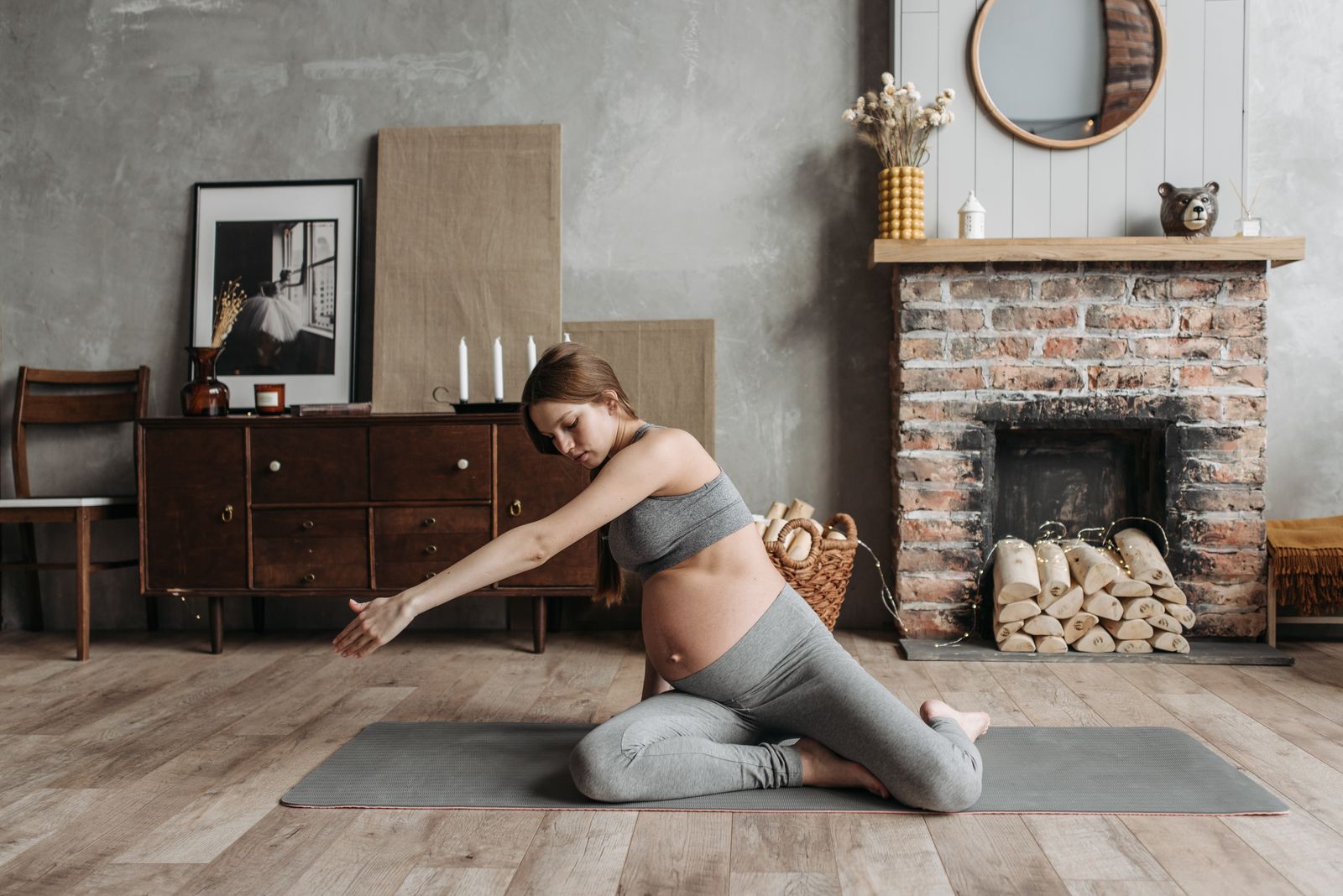
- Butterfly pose (baddha konasana): Sit tall, bring the soles of the feet together, and let the knees open outward. Move slowly. Stop if you feel pain, dizziness, or tightness in the groin.
- Walking: A daily walk is one of the simplest ways to stay fit in pregnancy. It supports stamina for labour and helps with healthy weight gain.
- Pelvic floor (Kegel) exercises: Strengthening and relaxing these muscles can support pushing in the second stage of labour and recovery afterward.
- Breathing practice: Slow nasal breathing and longer exhales help you cope with contractions and stay calmer in the labour room.

Avoid high-impact jumps, exercises that involve lying flat on the back for long periods in later pregnancy, and any movement your doctor has restricted. If you have spotting, reduced baby movements, headache with vision changes, or abdominal pain, stop exercising and seek care.
Diet, hydration, and energy for labour
Labour is physically demanding. A balanced pregnancy diet helps you maintain strength and a healthy weight range, both of which support a safer attempt at normal delivery.

- Eat protein-rich foods such as dal, eggs, dairy, fish, or lean meat, as advised by your clinician.
- Choose fibre from fruits, vegetables, and whole grains to reduce constipation.
- Stay hydrated. Dehydration can worsen fatigue and Braxton Hicks contractions.
- Take prescribed iron, calcium, and folic acid. Do not add extra supplements without medical advice.
- Limit excess sugar, deep-fried snacks, and unpasteurised or undercooked foods.
Prepare your mind as well as your body
Fear of labour is common. Watching a clear explanation, such as Dr. Ekta Singh’s video, can reduce uncertainty. Discuss a simple birth plan with your doctor: who will be with you, pain-relief options, and when to come to the hospital. Practise relaxation daily. Share questions with your partner or birth companion so you are not making decisions alone in the moment.
When to talk to your doctor
Preparation is individual. High-risk pregnancies, twins, previous uterine surgery, or medical conditions may change which exercises or birth plans are appropriate. This page is for health education only and is not a substitute for personal medical advice. Follow the plan given by your obstetrician or midwife.
Related reading: Your Guide to Normal Delivery and Normal Delivery Video Real Life.
Related MedXplain Videos
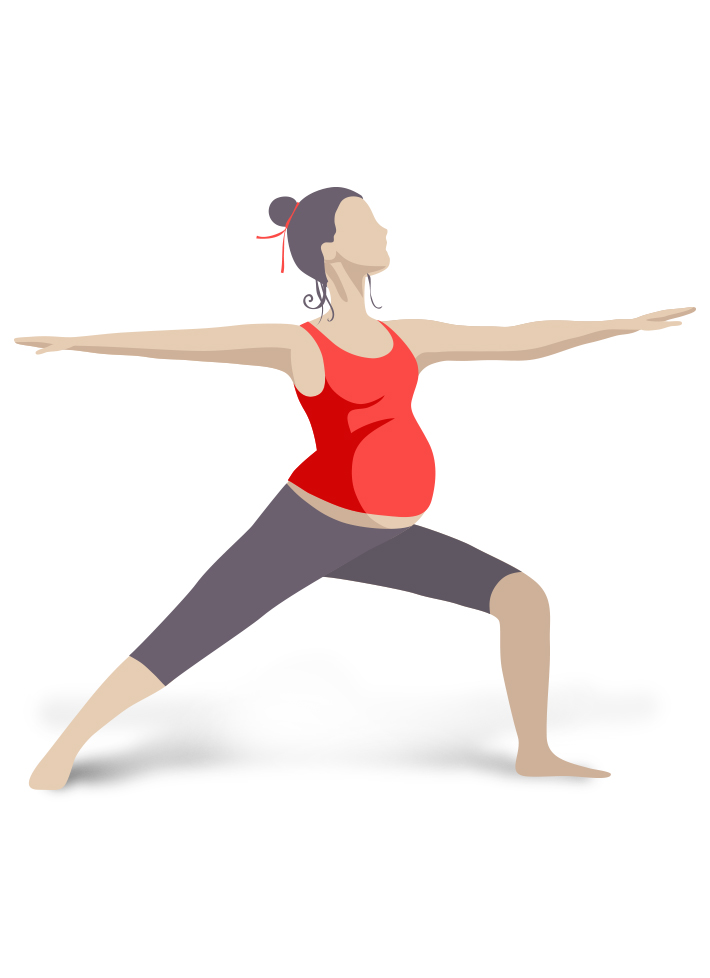
Exercises for Normal Delivery
Physiotherapy and rehabilitation video demonstrating exercises for Exercises for Normal Delivery. Shows movement techniques for recovery, pain relief, and fu…
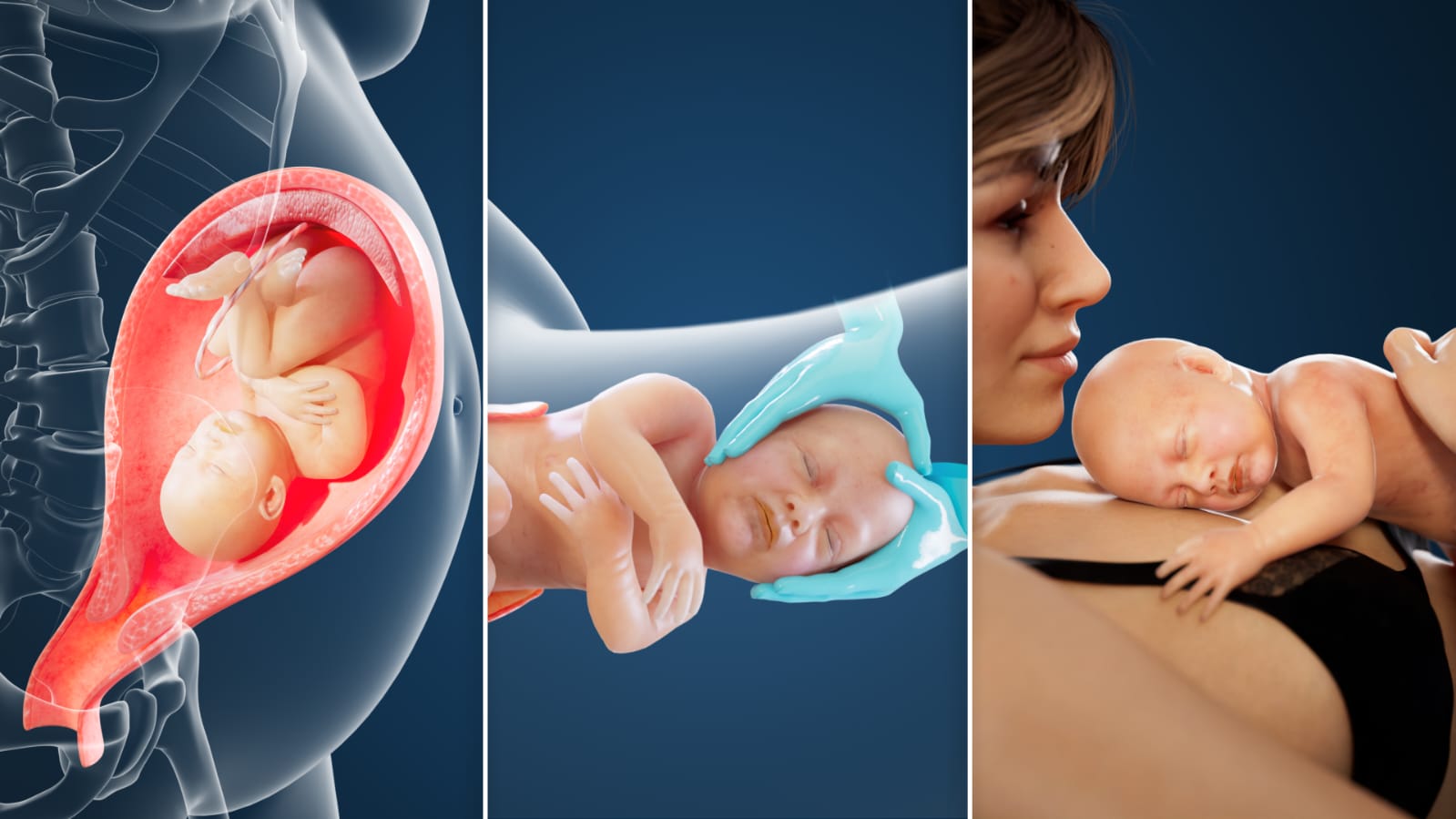
Vaginal Delivery Explained
Animated medical education video on Vaginal Delivery Explained for pregnancy, childbirth, female reproductive health, and gynecology. Uses visual storytellin…
How can ERemedium help?
As World’s largest health literacy platform for Doctors, ERemedium impacts 30 million patients monthly across 10,000+ health centers in 7+ countries. We collaborate with 15,000+ doctors to simplify complex healthcare through high-impact 3D animation.
- MedXplain: A cloud-based library for doctors featuring 5,000+ 3D animations across 26+ specialties. Enhance consultations and digital pharma marketing with copyrighted clinical content. Also, available Apps for Apple (iPad, iPhone, Mac) and Android devices
- Medio: Transform your OPD waiting area into an educational hub. Stream 3D patient education on nutrition and condition-specific care to improve satisfaction.
- MedComm: Interactive, gesture-driven touch signage. Use 3D anatomical models and 3D animations to explain procedures and treatments in an immersive, personalized environment.
Elevate your medical communication. Explore our solutions today.