What is Ablation
Overview
In the field of medicine, the term “ablation” refers to a minimally invasive procedure that uses various energy sources to destroy or remove unwanted tissue. This targeted approach offers a range of potential benefits, including minimizing damage to surrounding healthy tissue and promoting faster recovery times compared to traditional surgical techniques.
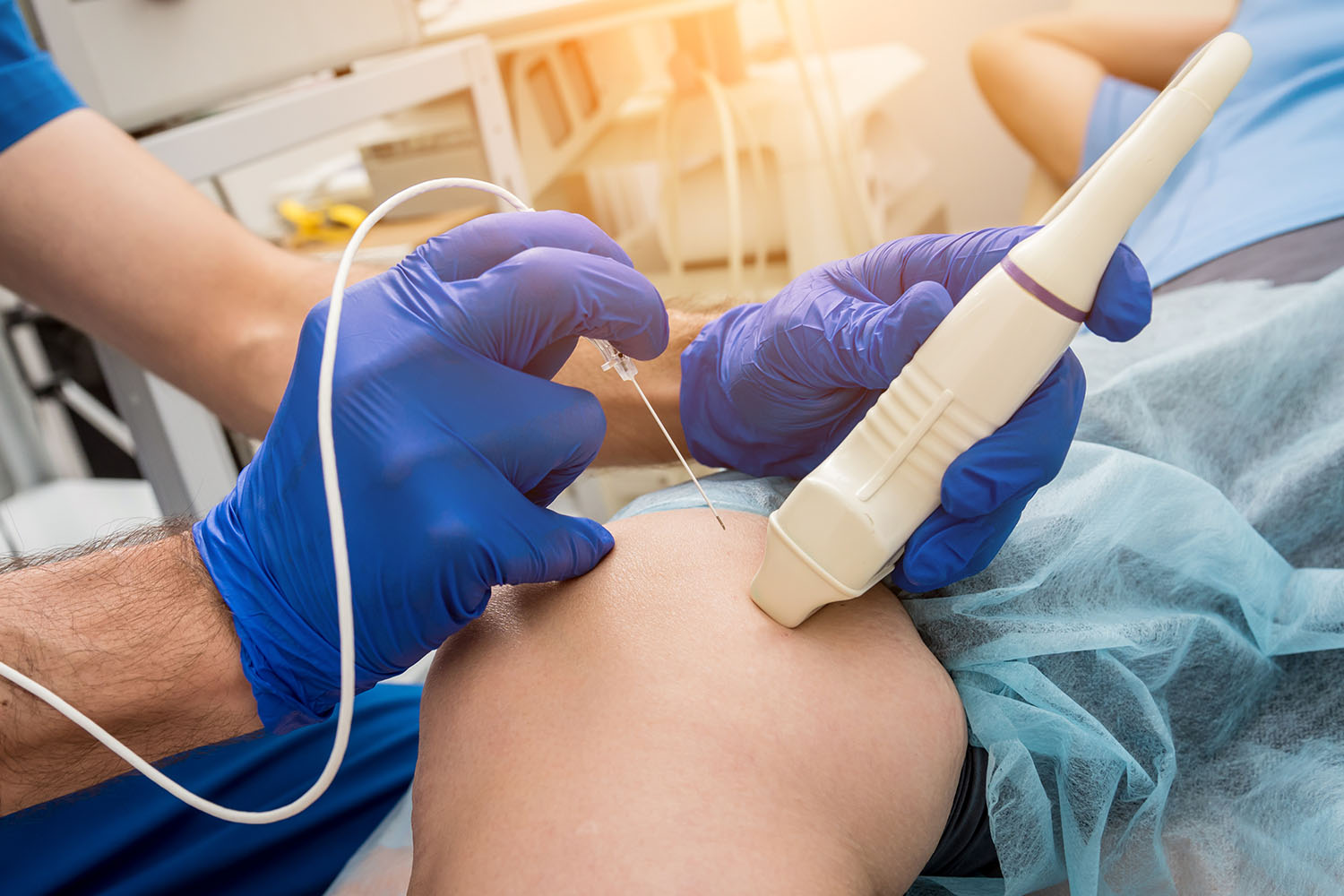
Understanding the Science Behind Ablation
There are several different types of ablation procedures, each employing a distinct energy source:
Radiofrequency Ablation (RFA): This common method utilizes radiofrequency waves to generate heat, effectively causing targeted tissue destruction. RFA is commonly used for cardiac ablation procedures to treat abnormal heart rhythms.
Microwave Ablation: Microwaves are another energy source used in ablation. This technique is particularly well-suited for treating liver tumors.
Laser Ablation: Highly focused laser energy can be used for ablation procedures with exceptional precision. This technique is often used in ophthalmology for procedures like corneal reshaping.
Cryoablation: This method employs extreme cold temperatures achieved with liquid nitrogen or argon gas to freeze and destroy unwanted tissue. Cryoablation is sometimes used for treating tumors in various organs, including the lungs and kidneys.
Research on Ablation Techniques
The efficacy of ablation procedures is supported by a growing body of research. For instance, a study published in the Journal of the American College of Cardiology found that catheter ablation using RFA was highly effective in treating atrial fibrillation, a common type of irregular heartbeat.
Applications of Ablation in Medicine
Ablation procedures have a wide range of applications across various medical specialties. Here are some prominent examples:
Cardiology: Cardiac ablation is a well-established technique for treating arrhythmias, or irregular heartbeats. By ablating a small area of tissue causing the abnormal electrical signals, a normal heart rhythm can be restored.
Oncology: Ablation techniques are increasingly used for minimally invasive tumor removal or destruction in various organs, including the liver, lungs, and kidneys.
Pain Management: Ablation can be used to target and destroy nerve tissue responsible for chronic pain in conditions like back pain or complex regional pain syndrome.
Dermatology: Some dermatological procedures utilize laser ablation to remove unwanted skin lesions or for scar revision.
Benefits and Considerations
While ablation offers a minimally invasive approach, it’s still a medical procedure with potential risks and side effects. It’s crucial to discuss these possibilities with your doctor before undergoing any ablation procedure. However, the potential benefits of ablation, including faster recovery times, reduced scarring, and targeted treatment, can make it a compelling option for various medical conditions.
Ablation has emerged as a versatile and effective tool in modern medicine. By harnessing different energy sources, ablation procedures offer a minimally invasive approach to treat various conditions, ranging from abnormal heart rhythms to unwanted tumors. As research continues to explore its applications, ablation holds promise for further advancements in targeted and precise medical treatments.
Related MedXplain Videos
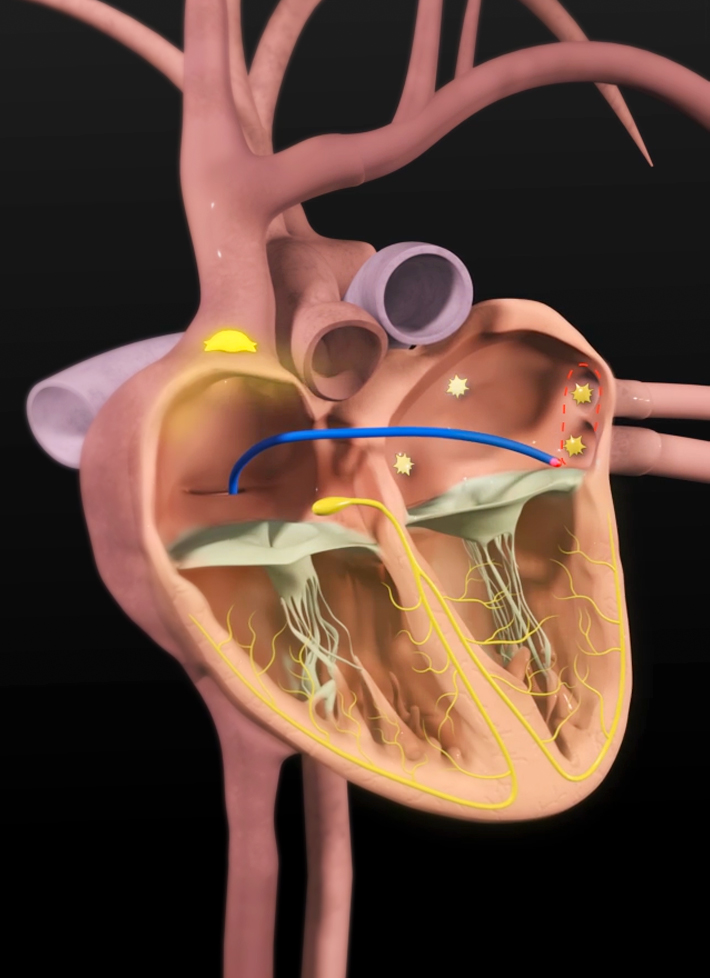
AFib - Catheter Ablation
Patient education animated video describing the surgical or interventional procedure: AFib - Catheter Ablation. Explains how the treatment is performed, key…
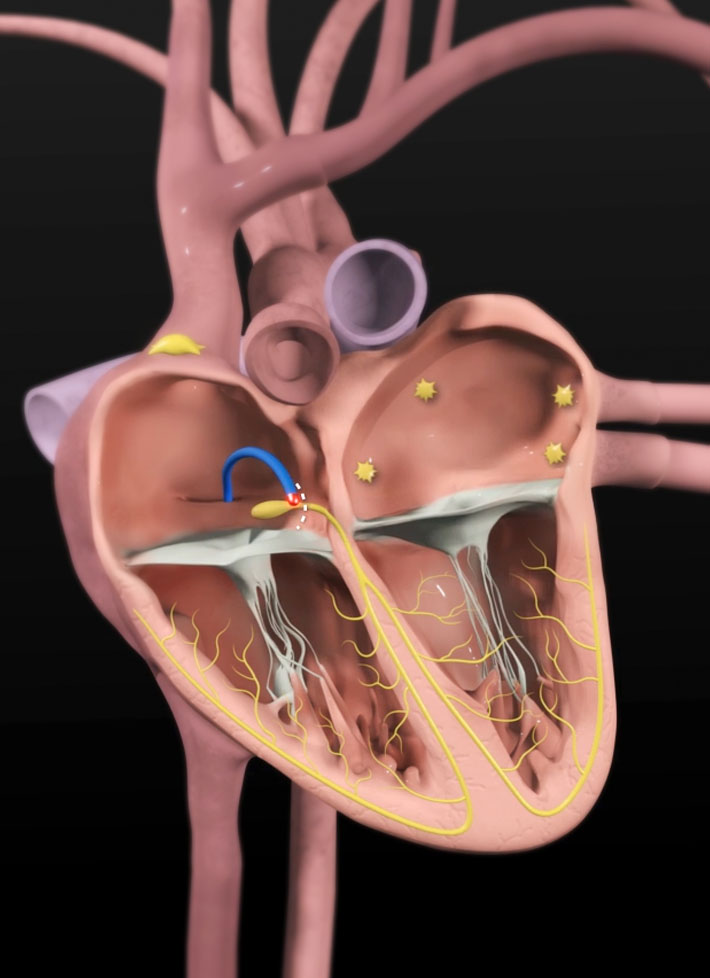
AV Node Ablation
Patient education animated video describing the surgical or interventional procedure: AV Node Ablation. Explains how the treatment is performed, key steps, a…
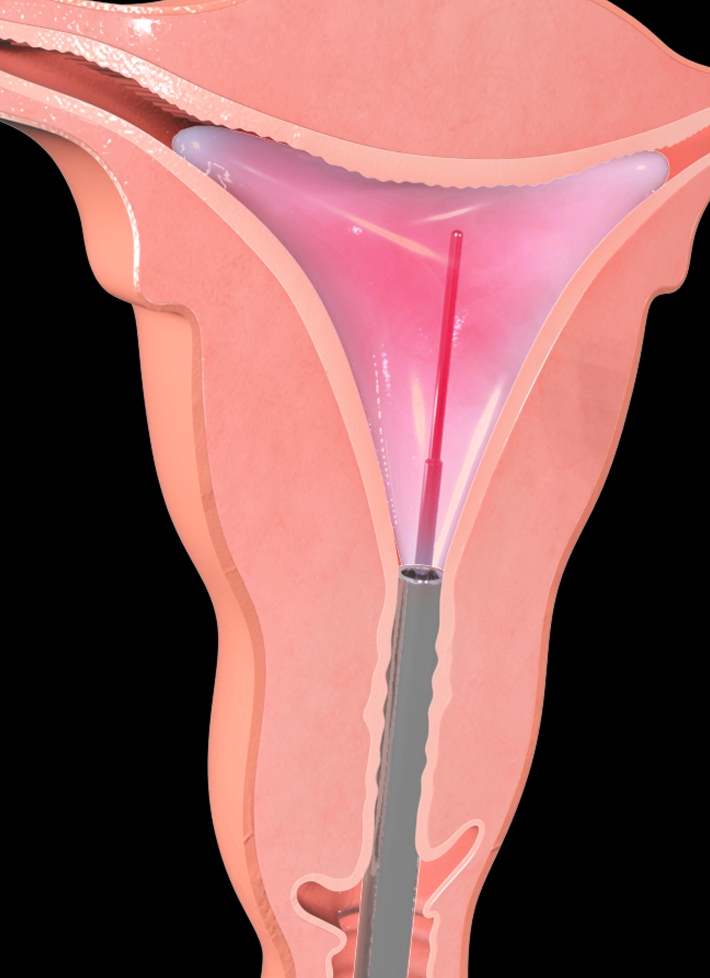
Endometrial Ablation - Thermal Balloon
Patient education animated video describing the surgical or interventional procedure: Endometrial Ablation - Thermal Balloon. Explains how the treatment is p…

Microwave Ablation - Varicose Veins
Patient education animated video describing the surgical or interventional procedure: Microwave Ablation - Varicose Veins. Explains how the treatment is perf…
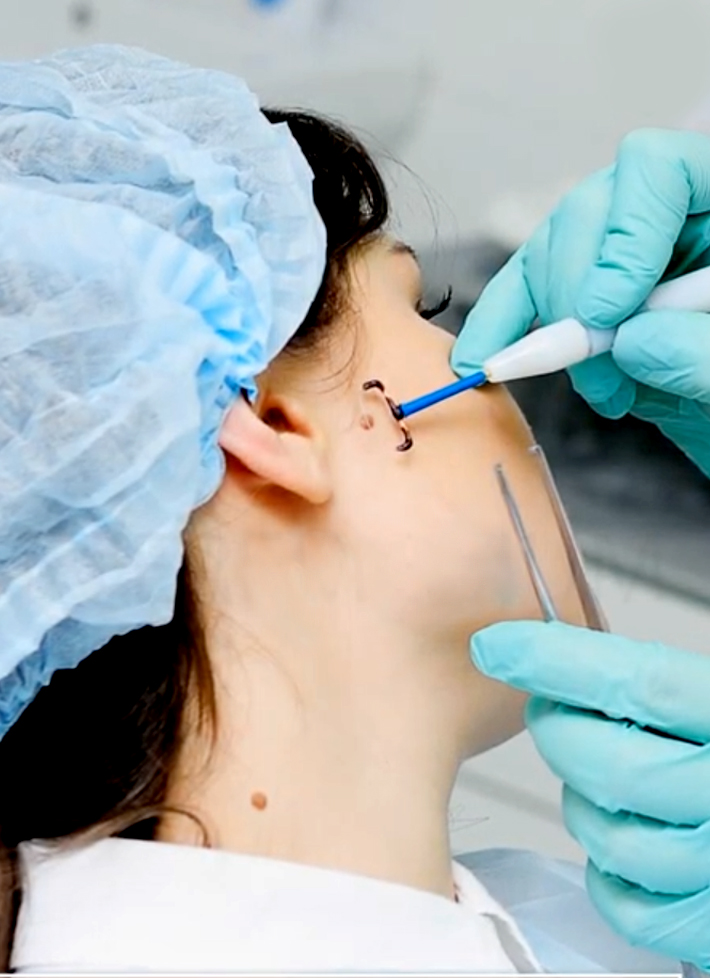
Radiofrequency Ablation (Mole Removal)
Patient education animated video describing the surgical or interventional procedure: Radiofrequency Ablation (Mole Removal). Explains how the treatment is p…
How can ERemedium help?
As World’s largest health literacy platform for Doctors, ERemedium impacts 30 million patients monthly across 10,000+ health centers in 7+ countries. We collaborate with 15,000+ doctors to simplify complex healthcare through high-impact 3D animation.
- MedXplain: A cloud-based library for doctors featuring 5,000+ 3D animations across 26+ specialties. Enhance consultations and digital pharma marketing with copyrighted clinical content. Also, available Apps for Apple (iPad, iPhone, Mac) and Android devices
- Medio: Transform your OPD waiting area into an educational hub. Stream 3D patient education on nutrition and condition-specific care to improve satisfaction.
- MedComm: Interactive, gesture-driven touch signage. Use 3D anatomical models and 3D animations to explain procedures and treatments in an immersive, personalized environment.
Elevate your medical communication. Explore our solutions today.