Which size of Gallbladder Stone is dangerous
Overview
Gallbladder stones, or gallstones, are solid particles that form in the gallbladder, a small organ beneath the liver that stores bile. These stones can vary in size from as small as a grain of sand to as large as a golf ball. While many people with gallstones experience no symptoms, others may suffer from severe pain and complications. One common question that arises is: Which size of gallbladder stone is dangerous?
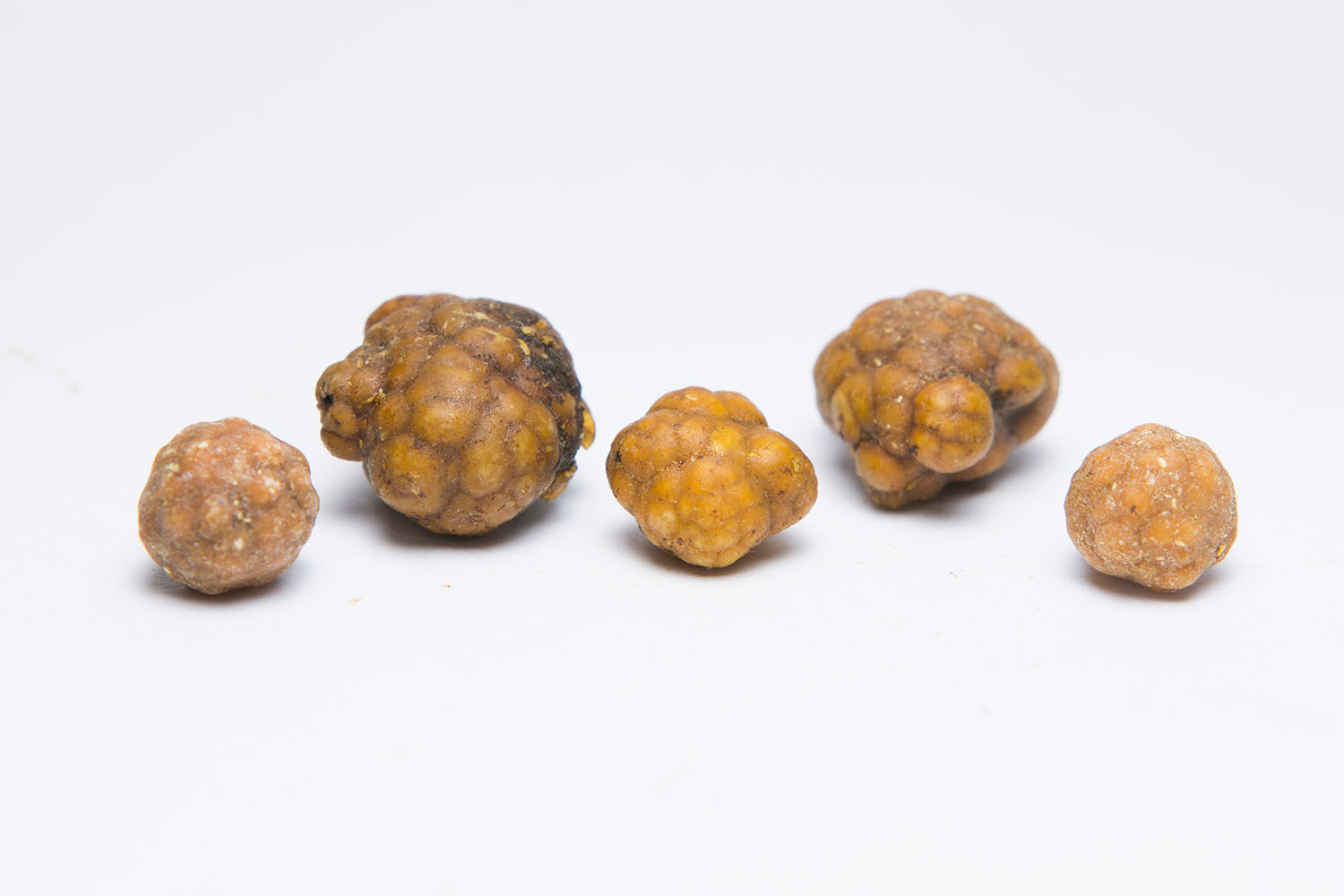
What Are Gallbladder Stones?
Gallstones form when the substances in bile, such as cholesterol, bilirubin, and bile salts, are out of balance. There are two main types of gallstones: cholesterol stones, which are usually yellow-green and made primarily of hardened cholesterol, and pigment stones, which are smaller, darker, and made up of bilirubin.
The Danger of Gallstone Sizes
Research indicates that the size of gallstones plays a crucial role in determining the risk of complications. Let’s delve into the specifics:
- Small Gallstones (Less than 5 mm)
Small gallstones, particularly those less than 5 millimeters, are often associated with a higher risk of migrating into the bile ducts, leading to blockages. This condition, known as choledocholithiasis, can cause severe pain, jaundice, and pancreatitis, a life-threatening inflammation of the pancreas. Studies have shown that patients with small stones are more likely to develop acute pancreatitis compared to those with larger stones. - Medium Gallstones (5 mm to 15 mm)
Gallstones in this size range are less likely to migrate but can still pose significant risks. They can cause biliary colic, characterized by sudden and intense pain in the upper abdomen, often accompanied by nausea and vomiting. These stones can also lead to cholecystitis, an inflammation of the gallbladder, which requires prompt medical attention and, in many cases, surgical intervention. - Large Gallstones (Greater than 15 mm)
Large gallstones are less likely to enter the bile ducts due to their size. However, they can still be dangerous. They may cause chronic cholecystitis, leading to a thickening of the gallbladder walls and a decreased ability to contract. Over time, this can result in a condition known as gallbladder dysfunction. Large stones can also cause pressure necrosis of the gallbladder wall, leading to gallbladder perforation, a serious and potentially fatal condition.
International Research Findings
International studies have provided valuable insights into the risks associated with gallstone size:
- A study published in the “Journal of Gastroenterology and Hepatology” found that small gallstones (less than 5 mm) were significantly associated with a higher incidence of acute pancreatitis. The research emphasized the need for vigilant monitoring of patients with small stones.
- Research from the “British Journal of Surgery” highlighted that medium-sized stones (5-15 mm) frequently led to symptomatic gallstone disease, necessitating cholecystectomy (surgical removal of the gallbladder) in many cases.
- According to a comprehensive review in “The Lancet”, large gallstones (greater than 15 mm) were often linked with chronic gallbladder conditions and required surgical intervention to prevent serious complications like gallbladder perforation.
When determining which size of gallbladder stone is dangerous, it’s clear that both small and large stones pose significant risks, though in different ways. Small stones are prone to migrating into the bile ducts, causing acute pancreatitis and biliary colic, while large stones are associated with chronic gallbladder conditions and potential perforation. Medium-sized stones, while less dangerous than their smaller or larger counterparts, can still lead to significant discomfort and complications.
If you suspect you have gallstones or are experiencing symptoms, it is crucial to seek medical advice. Your healthcare provider can perform diagnostic tests, such as ultrasound or CT scans, to determine the size and type of gallstones and recommend appropriate treatment options. Early intervention can prevent severe complications and ensure better health outcomes.
Related MedXplain Videos
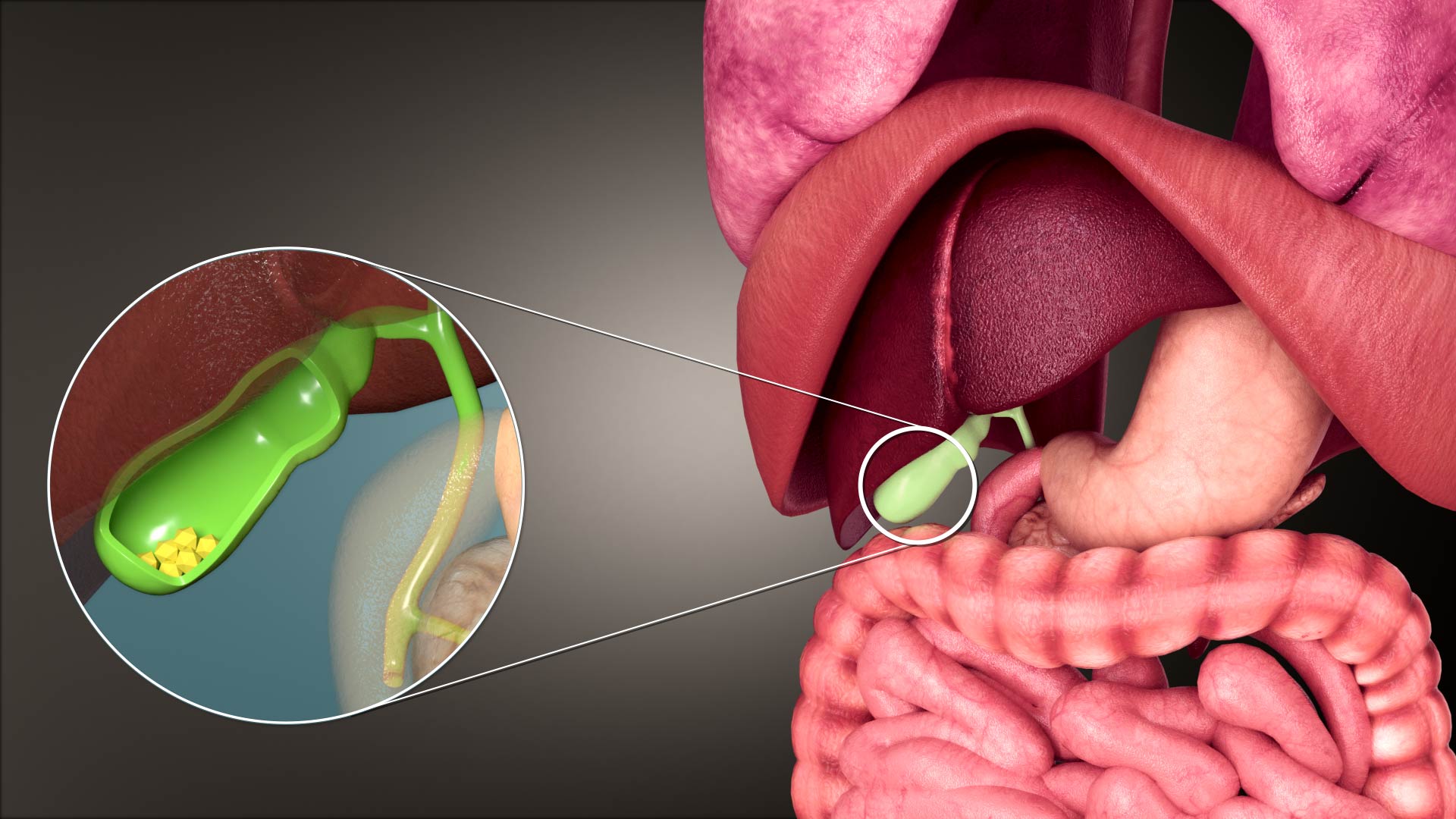
Gallbladder Stones
Medical education video about Gallbladder Stones, a condition within digestive system, liver, stomach, and intestines, surgical procedures and operative care…
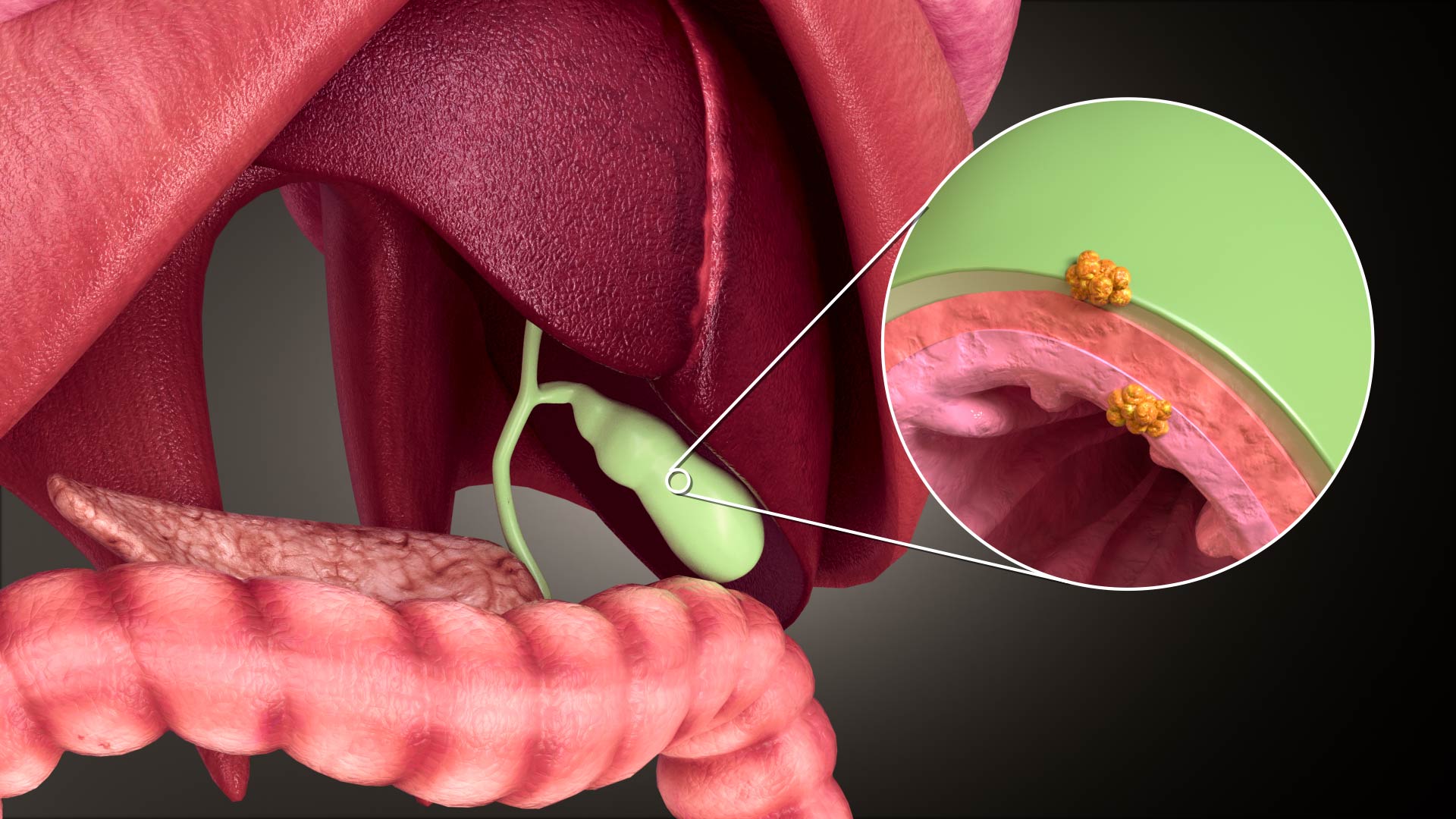
Gallbladder Cancer
Medical education video about Gallbladder Cancer, a condition within digestive system, liver, stomach, and intestines, surgical procedures and operative care…
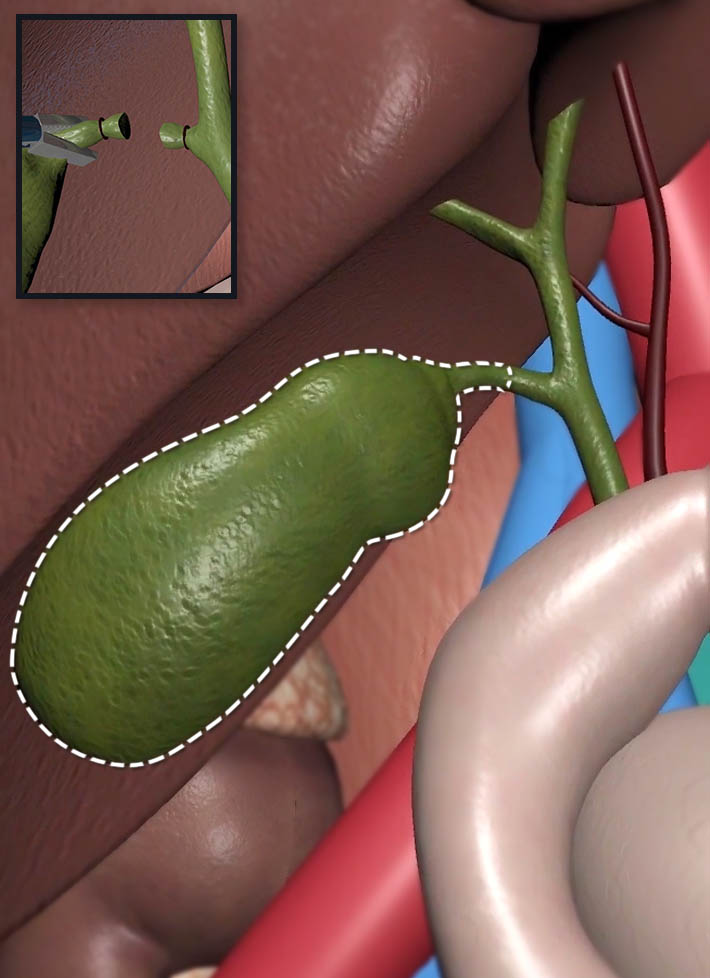
Laparoscopic Cholecystectomy
Patient education animated video describing the surgical or interventional procedure: Laparoscopic Cholecystectomy. Explains how the treatment is performed,…
How can ERemedium help?
As World’s largest health literacy platform for Doctors, ERemedium impacts 30 million patients monthly across 10,000+ health centers in 7+ countries. We collaborate with 15,000+ doctors to simplify complex healthcare through high-impact 3D animation.
- MedXplain: A cloud-based library for doctors featuring 5,000+ 3D animations across 26+ specialties. Enhance consultations and digital pharma marketing with copyrighted clinical content. Also, available Apps for Apple (iPad, iPhone, Mac) and Android devices
- Medio: Transform your OPD waiting area into an educational hub. Stream 3D patient education on nutrition and condition-specific care to improve satisfaction.
- MedComm: Interactive, gesture-driven touch signage. Use 3D anatomical models and 3D animations to explain procedures and treatments in an immersive, personalized environment.
Elevate your medical communication. Explore our solutions today.