How Dermatology Videos Help Patients Understand Skin Treatments
EREMEDIUM • VISUAL PATIENT EDUCATION
Dermatology visuals for patient education
Dermatology videos • Visual clarity
How Dermatology Videos Help Patients Understand Skin Treatments
From peels and lasers to biologics and patch tests, skin treatments can sound abstract when explained only in words. Dermatology videos make every step visible, so patients can see what will actually happen to their skin before they say yes.
Why patients struggle to imagine skin treatments
Most patients can point to a rash, mole, pigment patch, or scar — but cannot picture what their skin looks like just below the surface. When you start talking about collagen remodelling, pigment cells, or ablative vs. non‑ablative lasers, the explanation becomes invisible and easy to forget.
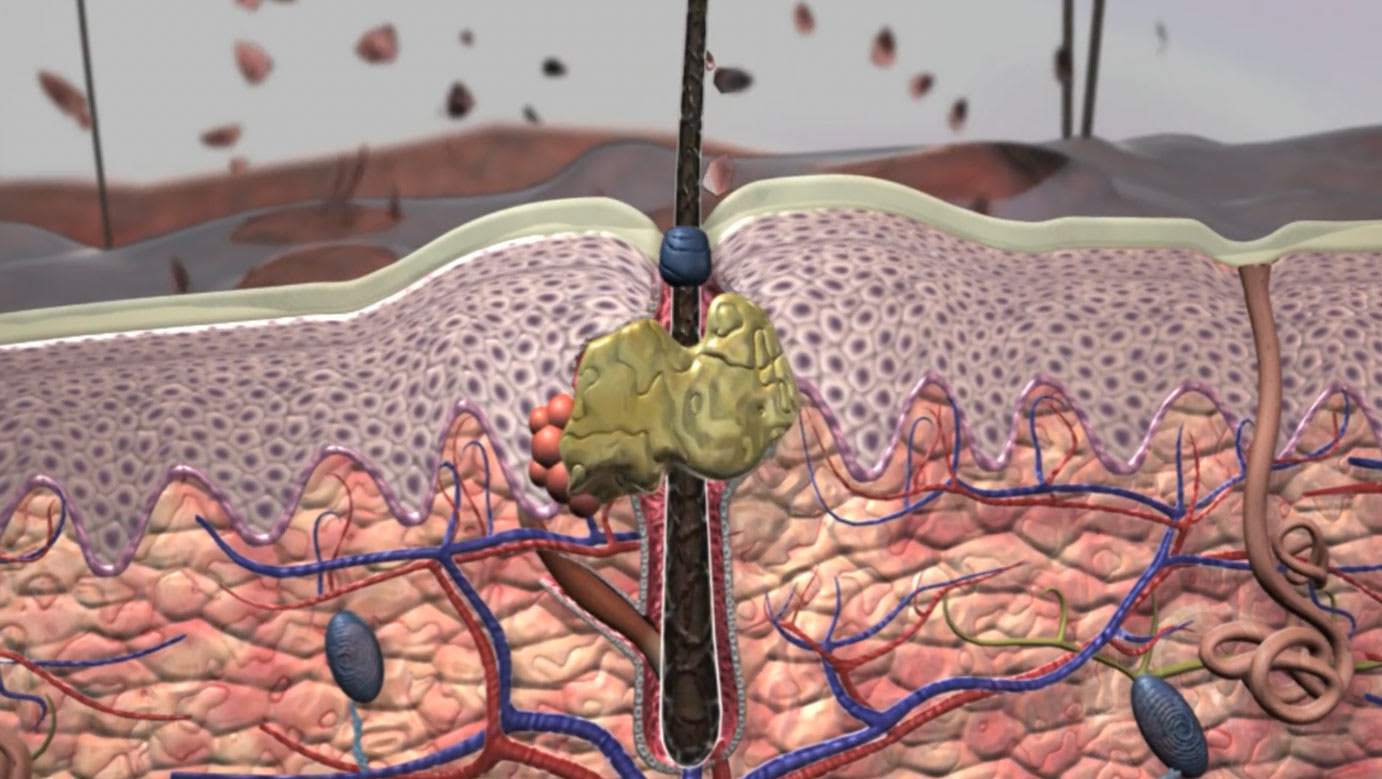
Dermatology videos solve this by pairing every explanation with a visual: a cross‑section of the skin, the exact layer being targeted, and a simplified view of how energy, medicines, or instruments interact with that layer. The result is visual clarity — patients can finally see what their treatment is trying to do.
High‑quality dermatology videos show the epidermis, dermis, and deeper tissues in clean 3D animation. Instead of a flat diagram, patients see depth: where pigment lives, where collagen is damaged, and where a needle or laser tip will actually work.
Once patients see which layer a treatment targets, conversations about downtime, peeling, or sensitivity become far easier. You can point to the exact layer on screen and connect it to what they might feel on day two or day seven.
Terms like “chemical peel”, “IPL”, or “biologic injection” mean different things to different people. Dermatology videos replace guesswork with specific visuals: how a peel is applied, how light pulses find pigment, or how a biologic calms inflammation under the skin.
Patients can see applicators, energy beams, and injection sites in a safe, animated way, so they understand the procedure without being frightened by graphic footage.
Before‑and‑after photos are powerful, but they rarely explain why some patients respond differently or why multiple sessions are needed. Dermatology videos can animate the gradual changes under the skin: pigment breaking apart, collagen thickening, or inflammation calming over time.
By showing a timeline on screen, videos make it easier to explain why improvement is often progressive and why maintenance treatments may be part of the plan.
Dermatology videos can show how cooling devices, numbing creams, or shorter pulse durations are used to keep patients comfortable. Instead of saying “You will feel mild warmth”, you can show a simple animation of heat reaching the target while the surface stays protected.
This level of visual detail reduces fear around pain, burning, or scarring and builds trust in your protocol.
What patients really want to see before they commit
Patients who click on dermatology videos are rarely just browsing. They are comparing clinics, treatments, and outcomes, often on a mobile screen. The faster you give them visual clarity, the more likely they are to trust your recommendation.
- Where is my problem? — show the skin layer and area being treated, mapped to what they see in the mirror.
- What exactly will you do? — show the key steps of the treatment from prep to finish.
- What could I feel and for how long? — animate typical sensations and recovery timelines.
- When will I see change? — use simple timelines so improvements and touch‑ups are expected, not surprising.
Dermatology videos that answer these four questions clearly keep users engaged, lower bounce rates, and make it easier for patients to click through to book an appointment.
How ERemedium turns dermatology videos into a visual-first patient journey
ERemedium’s medical video library includes 3D dermatology animations that explain skin anatomy, common conditions, cosmetic procedures, and medical treatments in under two minutes. Videos are curated by doctors, created for patient understanding, and streamed from high‑performance servers for smooth playback in clinics and on your website.
By placing dermatology videos in waiting areas, consultation rooms, and patient portals, you create a continuous, visual experience: patients see the same explanations before, during, and after their visit. This consistency improves recall, reduces repeat “quick doubt” visits, and gives your team more time for personalised counselling.